Introduction: Creative Subtitle
Project Summary
As of 2019, over 14 million people have Alcohol Use Disorder. This project investigates the language framed around alcoholism, specifically how language and literacy play a role in recovery and the lives of individuals who struggle with alcoholism. Much stigma and shame provoke reservations in regard to seeking alcohol treatment and recovery. This project, reporting on a small qualitative research study, aims to call these pejorative misconceptions into question and ameliorate the framework of alcoholism and recovery. In sum, this study reveals that rebranding alcoholism as mediating both intimate communal services and the larger context of global communication in which alcoholism is discussed, making such methods vital in the reorientation of language and literary discourse across alcoholism and recovery.
Project Contributors + Roles
Below, we’ve introduced ourselves and our project roles.

Project Role

Archival Research

Project Role

Project Role

Project Role

Project Role
Community Partner: Magdalene House
Lorem ipsum dolor sit amet, consectetur adipiscing elit, sed do eiusmod tempor incididunt ut labore et dolore magna aliqua. Quis ipsum suspendisse ultrices gravida. Risus commodo viverra maecenas accumsan lacus vel facilisis.
Lorem ipsum dolor sit amet, consectetur adipiscing elit, sed do eiusmod tempor incididunt ut labore et dolore magna aliqua. Quis ipsum suspendisse ultrices gravida. Risus commodo viverra maecenas accumsan lacus vel facilisis. Lorem ipsum dolor sit amet, consectetur adipiscing elit, sed do eiusmod tempor incididunt ut labore et dolore magna aliqua.

Image Source

Lorem ipsum dolor sit amet, consectetur adipiscing elit, sed do eiusmod tempor incididunt ut labore et dolore magna aliqua. Quis ipsum suspendisse ultrices gravida. Risus commodo viverra maecenas accumsan lacus vel facilisis. Lorem ipsum dolor sit amet, consectetur adipiscing elit, sed do eiusmod tempor incididunt ut labore et dolore magna aliqua.
Click here to learn more about The Magdalen House.
A “Wicked” Problem
Lorem ipsum dolor sit amet, consectetur adipiscing elit, sed do eiusmod tempor incididunt ut labore et dolore magna aliqua. Lorem ipsum dolor sit amet, consectetur adipiscing elit, sed do eiusmod tempor incididunt ut labore et dolore magna aliqua. Quis ipsum suspendisse ultrices gravida. Risus commodo viverra maecenas accumsan lacus vel facilisis. Lorem ipsum dolor sit amet, consectetur adipiscing elit, sed do eiusmod tempor incididunt ut labore et dolore magna aliqua.
Our “Wicked” Problem: Creative Subtitle
Lorem ipsum dolor sit amet, consectetur adipiscing elit, sed do eiusmod tempor incididunt ut labore et dolore magna aliqua. Lorem ipsum dolor sit amet, consectetur adipiscing elit, sed do eiusmod tempor incididunt ut labore et dolore magna aliqua. Quis ipsum suspendisse ultrices gravida.
Lorem ipsum dolor sit amet, consectetur adipiscing elit, sed do eiusmod tempor incididunt ut labore et dolore magna aliqua. Lorem ipsum dolor sit amet, consectetur adipiscing elit, sed do eiusmod tempor incididunt ut labore et dolore magna aliqua.
Research Questions
This study couples meticulous review of archival research with critical qualitative interviews to explore how discourse and literacy practices within spaces can be combined and reconstructed to eradicate stigmatizing perceptions and reorient language practices and discourse across alcoholism and recovery. In order to address the broader question, four sub-questions must be investigated and reviewed:
- What are the language and literacy gaps between the facts and the stigmatizing perceptions of alcoholism?
- What specific advantages and disadvantages have recovering alcohols uncovered concerning language and literacy adopted by spiritual recovery spaces? Secular recovery spaces?
- In what ways do language and literacy play a role in provoking shame and reservations to seek treatment?
- What literary tools should be employed to ameliorate the framework of recovery and alcoholism?
Methodology
To best answer these questions, and because these questions, centered around alcoholism, are centrally concerned with how individuals—aware of the pejorative language associated with AUD—experience and approach treatment and recovery, critical qualitative research and detailed secondary research analysis were crucial to the investigation of uncovering the language and discourse practices framed around alcoholism.
First, in-depth interviews called out the specific language that has caused shame and negation to seek recovery and highlighted fundamental phraseology that has facilitated conducive recovery. Second, secondary research furthers the experiences of alcoholics and the positive and negative effects of the language and literacy surrounding alcoholism. These findings supported this study by producing a framework to eradicate stigma and reorient the language and literary practices across recovery discourse.
Research Methods + Data Collection: Creative Subtitle
Lorem ipsum dolor sit amet, consectetur adipiscing elit, sed do eiusmod tempor incididunt ut labore et dolore magna aliqua. Quis ipsum suspendisse ultrices gravida. Risus commodo viverra maecenas accumsan lacus vel facilisis. Lorem ipsum dolor sit amet, consectetur adipiscing elit, sed do eiusmod tempor incididunt ut labore et dolore magna aliqua.
Limitations
This research has several limitations: First, the study’s sample size. While results offered significant relationships between data, a larger sample size could identify and ensure the data was representative of the AUD population. Second, time constraints limited the ability to recruit and interview additional participants. Third, limited access to data. Participants’ recovery participation, history, and experiences were centrally associated with spiritual recovery spaces. As a result, findings and implications examine language and discourse practices adopted by spiritual twelve-step programs. However, all participants discussed these practices are universal and appropriate within secular recovery spaces and could interpolate a framework to reorient discourse practices across alcoholism and recovery.
Below, we list the various methods we implemented during our research process:
Research Method #1: Jamie’s Student Surveys
Lorem ipsum dolor sit amet, consectetur adipiscing elit, sed do eiusmod tempor incididunt ut labore et dolore magna aliqua. Quis ipsum suspendisse ultrices gravida. Risus commodo viverra maecenas accumsan lacus vel facilisis. Lorem ipsum dolor sit amet, consectetur adipiscing elit, sed do eiusmod tempor incididunt ut labore et dolore magna aliqua.
Lorem ipsum dolor sit amet, consectetur adipiscing elit, sed do eiusmod tempor incididunt ut labore et dolore magna aliqua [Figure 1]. Quis ipsum suspendisse ultrices gravida. Risus commodo viverra maecenas accumsan lacus vel facilisis. Lorem ipsum dolor sit amet, consectetur adipiscing elit, sed do eiusmod tempor incididunt ut labore et dolore magna aliqua.

Image Caption
Lorem ipsum dolor sit amet, consectetur adipiscing elit, sed do eiusmod tempor incididunt ut labore et dolore magna aliqua. Quis ipsum suspendisse ultrices gravida. Risus commodo viverra maecenas accumsan lacus vel facilisis. Lorem ipsum dolor sit amet, consectetur adipiscing elit, sed do eiusmod tempor incididunt ut labore et dolore magna aliqua.
Click here to see our survey.
Research Method #2: Kezia’s Archival Research
Lorem ipsum dolor sit amet, consectetur adipiscing elit, sed do eiusmod tempor incididunt ut labore et dolore magna aliqua. Quis ipsum suspendisse ultrices gravida [Figure 2]. Risus commodo viverra maecenas accumsan lacus vel facilisis. Lorem ipsum dolor sit amet, consectetur adipiscing elit, sed do eiusmod tempor incididunt ut labore et dolore magna aliqua [Figure 3]. Lisus commodo viverra maecenas accumsan lacus vel facilisis. Lorem ipsum dolor sit amet, consectetur adipiscing elit, sed do eiusmod tempor incididunt ut labore et dolore magna aliqua.
Lorem ipsum dolor sit amet, consectetur adipiscing elit, sed do eiusmod tempor incididunt ut labore et dolore magna aliqua [Figure 4]. Quis ipsum suspendisse ultrices gravida. Risus commodo viverra maecenas accumsan lacus vel facilisis. Lorem ipsum dolor sit amet, consectetur adipiscing elit, sed do eiusmod tempor incididunt ut labore et dolore magna aliqua.isus commodo viverra maecenas accumsan lacus vel facilisis [Figure 5]. Lorem ipsum dolor sit amet, consectetur adipiscing elit, sed do eiusmod tempor incididunt ut labore et dolore magna aliqua.
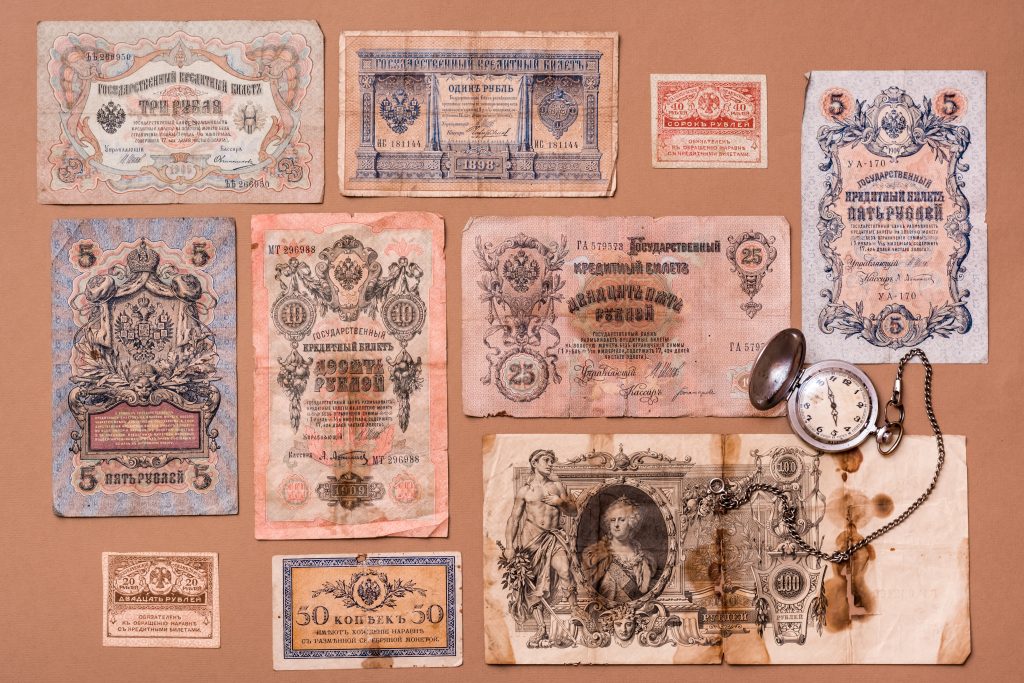
Image Source
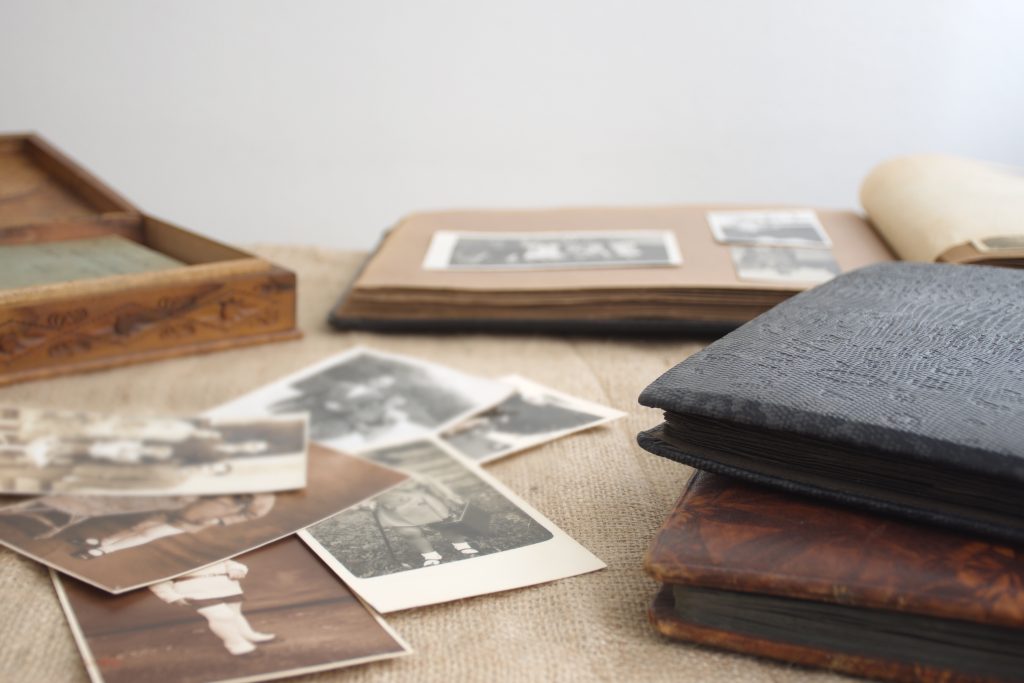
Image Source
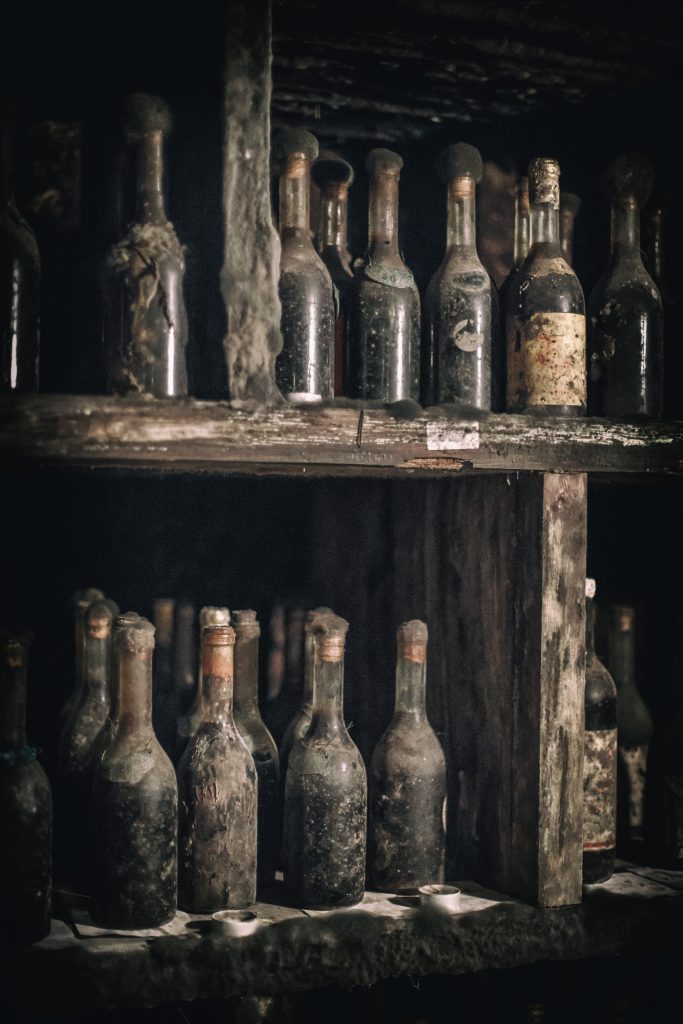
Image Source

Image Source
Lorem ipsum dolor sit amet, consectetur adipiscing elit, sed do eiusmod tempor incididunt ut labore et dolore magna aliqua. Quis ipsum suspendisse ultrices gravida. Risus commodo viverra maecenas accumsan lacus vel facilisis. Lorem ipsum dolor sit amet, consectetur adipiscing elit, sed do eiusmod tempor incididunt ut labore et dolore magna aliqua.
Research Method #3: Jill’s Qualitative Interviews
Participants were recruited through a purposive sample to develop a deeper understanding of and gain in-depth knowledge on the individual experience within their alcohol recovery space and maintained sobriety. Participants’ ages ranged from 25 to 55, and sobriety length from 2 years to 13 years: one participant has achieved in total 24 years of sobriety; however, within those 24 years, there was a four year relapse period. All participants share involvement in Alcoholics Anonymous [AA]. The accounts and data were collected through either phone call or Zoom.
Interview Participants
Lisa
13 Years Sober
John
8 Years Sober
Jill
2 years sober
sarah
3 years sober
All interviews (1) allowed my participants to discuss their personal experiences; (2) addressed the stigma surrounding alcoholism; (3) elicited methods and tools offered in recovery spaces to maintain sobriety and to reach other PADs; (4) asked for descriptions of how they used and associated with these methods. Interviews lasted between thirty minutes to two hours, and one participant was interviewed a second time, three weeks later, to ask follow-up questions. While I do not identify myself with PADs, my interrelation with participants provided a basis of identification; in many cases, I found common ground with my participants by discussing my mother, who is currently an active alcoholic.
Click here to read our interview questions.
Click here to read our interview transcripts.
Data Analysis + Coding Strategies: Creative Subtitle
In order to analyze the four interviews, this study adopted a constructivist approach to grounded theory (Charmaz, 2006) to gather and direct the issues my study is defining. This approach allowed for examination and analytical questions of the data collected at the same time as it acknowledged the subconscious biases of my interpretation in light of my direct relationship to an active alcoholic. The analysis included three rounds of coding. First, I coded recovery program participation (AA, counseling, medical rehab facilities, etc.) and length of sobriety. I noted that all participants reported that program participation contributed to their length of sobriety. In the second round, coding identified language practices used within these recovery spaces concerning how participants spoke of valuing community and support (whether they promoted awareness, advocated anonymity, etc.) Third, to account for how stigma and shame coalesced, I coded for how those differently positioned with regard to actively embracing their alcoholism came to promote their recovery and sobriety.
Data Findings + Themes: Creative Subtitle
My analysis of data revealed that rebranding alcoholism as mediating both intimate communal services and the larger context of global communication in which alcoholism is discussed allows for the reorientation language and literary discourse across alcoholism and recovery. As a result, I concluded my data analysis with three educational-driven theoretical themes: alcoholism is a disease, embrace recovery (be proud of your sobriety), the media must change the landscape [Figure 6].
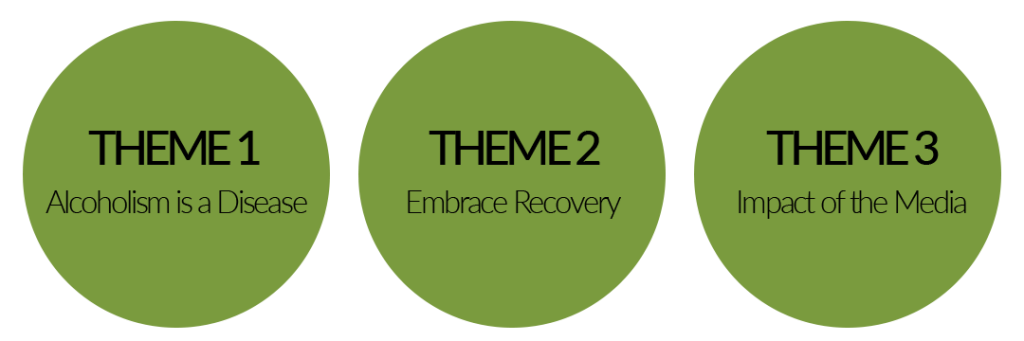
Here, I have organized my findings to support my three themes, which played a role in my response to my “wicked” problem. I present my discussion in the following manner:
First, I offer a detailed narrative of Lisa Kroenke, the Executive Director of The Magdalen House. I choose to focus on Lisa because, along with celebrating over a decade of sobriety, she has taken an obsolete recovery space and created a program that has played a vital role in helping thousands of alcoholic women. Second, I elaborate on the concepts Lisa’s narrative illustrates by comparing her narrative with those of others who share similar language and literacy-based approaches to achieving long-term, sustainable recovery. I hope that this detailed narrative, set alongside a comparison across participants, allows readers to understand for whom, how, and under what conditions language and literary practices can reorient alcoholism and recovery discourse, revealing both the explanatory power and the limitations of this concept.
Click here to read the complete interview with Lisa.
Lisa: “I Am an Alcoholic, and It’s The Best Thing That Has Ever Happened to Me!”
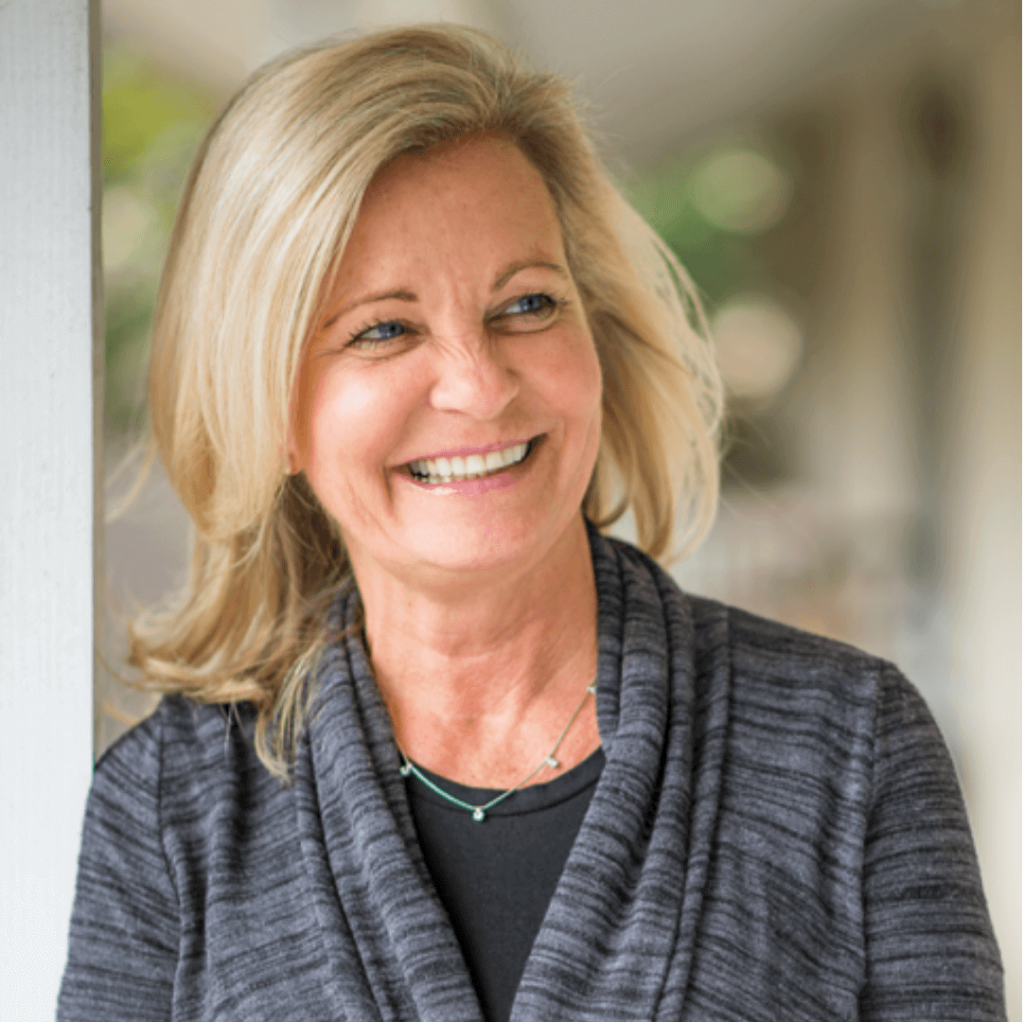
Five years ago, Lisa Kroenke stepped in as the Executive Director of the Magdalen House, a recovery space, in Dallas, Texas, for alcoholic women. Since then, she has grown the program’s budget from one-hundred thousand dollars to almost two million dollars, expanded their employment, and has helped women from all over the country in achieving sobriety.
For Lisa, the realization that alcoholism is a disease highlighted the advantages of alternative discourse practices—accurate language, interpersonal communication, educational-driven approaches. She described her experience, underscoring that “it was a version of AA I’d never been told, it was open and airy—not confined and boxy—something I had never been exposed to before.” Due to this reorientation of discourse, a discovery nullifying her skepticism, when she completed treatment, she got a sponsor and began to participate in AA actively. Lisa’s experience, and the man’s educational-driven discourse practices, rebranded alcoholism to engender success in Lisa’s alacrity to address her disease, seek recovery, and establish intentional sobriety.
A similar association, regarding language and discourse approach reorienting alcoholism and recovery, resonated in another account she shared, alluding to a metaphorical sign posted in her front yard advertising her alcoholism:
Lisa: One of my purposes for my life, and I mean that exactly how it sounds, is to help educate individuals, and the public, around alcoholism. For me, being an alcoholic, I want to stand up and say, “I am an alcoholic.” I believe that shame is perpetuated by alcoholics ourselves because we are not out there helping other people.
Kezia: Really?
Lisa: Kezia, look at it like this: If I am causing pain in my family and everybody knows I am an alcoholic, I am giving alcoholics a bad name simply because I am active in my alcoholism. Ok, so I get recovered. I get sober. I’m out there helping all these women—there almost a poster out my front yard that says, Lisa, the alcoholic lives here!—Everybody calls me it. Everybody knows! What’s to be ashamed, or shameful of that? I am not ashamed! My family is not ashamed! They tell everybody they love it The stigma; the shame, is perpetuated by women who sit in a room and don’t talk about it and don’t want anybody to know—they are not helping other women.
Kezia: So shame is more or less within the individual, outside or external forces do not perpetuate it?
Lisa: Oh – they can, but I can’t let that affect me. I mean, people can say, “Oh my god, you’re an alcoholic?” But I choose to say, “Yeah, I am. It’s the best thing that has ever happened to me, and let me tell you why.” It’s education!
To analyze the remaining data as thoroughly as possible, the discussion below examines and illustrates the participants shared notions on efficacious language practices and literary discourse approaches framed around alcoholism, which I will refer to as Alcohol and Recovery Language [ARL].
The following findings centered on the earlier established educational-driven theoretical themes, which address the additional investigated research questions that ground the data collected. In conclusion, the subsequent implications will delineate why this project is important and how rebranding ARL acts as an intimate communal service, functions within the larger context of global communication, and how an ARL educational-driven framework underwrites the reorientation of language practices and literary discourse across alcoholism and recovery.
Theme 1: Creative Subtitle [Alcoholism is a Disease]
Alcoholism is a disease, not a behavioral problem: All participants agreed on the notion. “It looks like a behavioral problem,” Lisa said. “It looks like they are making bad choices, but it’s any more than a cancer patient making a bad choice because they have cancer. It just looks different.” Like Lisa, Jill Larsen, a recovering alcoholic and an active member of AA, communicated that alcoholism could be compared to cancer, “It is a disease,” she said. “It’s like having cancer, it really is. Just like chemo helps get rid of cancer, rehab helps to get rid of alcoholism. But even when you are cancer-free, it can come back, just like alcoholism, just like my alcoholism did, eighteen years later with a vodka bottle on my hip.” Jill celebrates six years of sobriety; however, she first sought treatment in 1992, maintaining recovery participation and sobriety up until 2010. “I went zero to one-hundred,” she said.
Theme 2: Creative Subtitle [Embrace Recovery, Be Proud of Sobriety!]
Shame and alcoholism are comorbid; though shame is termed not as a medical condition, the behavior associated with shame can negatively affect the structure and function of decision-making and reasoning. The skepticism PADs encounter, regarding alcoholism, seeking treatment, and participating in recovery programs, is a result of the shame they identify with their disease. This analysis examines how literacy and discourse can be employed to better the framework of alcoholism and recovery.
Jill and Sarah, both proud members of AA, pride themselves on AA’s twelfth step: service and fellowship. The “Big Book”, written by Bill W., co-founder of AA, and the exegesis of Alcoholics Anonymous practices, the twelfth step introduction states:

Image Source
The joy of living is the theme of A.A.’s Twelfth Step, and action is its key word. Here, we turn outward toward our fellow alcoholics who are still in distress. Here we experience the kind of giving that asks no rewards. Here we begin to practice all Twelve Steps of the program in our daily lives so that we and those about us may find emotional sobriety (106).
“I am proud of my sobriety. I tell everyone I am sober! It’s so interesting because when you are so open and honest about it, it is amazing how many people you meet who are also in the program.”-Jill
This discourse analysis reveals [1] the role language plays in causing reservations in treatment-seeking and recovery; [2] the language gap between fact and stigmatizing perceptions of alcoholism and recovery; [3] literary tools provide an understanding of the framework surrounding alcoholism and recovery; and [4] the disadvantages of discourse adopted by twelve-step programs. These findings emphasize that discourse expressing pride and service can eradicate shame and stigmatizing perceptions to facilitate recovery and treatment receptivity.
Literary materials, such as the “Big Book”, urge connection and collaboration between recovering alcoholics and fellow peers. However, to reorient ARL, PADs must be willing to relinquish individual anonymity, campaigning and promoting recovery involvement and sober lifestyle to educate and ameliorate language practice and literary discourse across alcoholism.
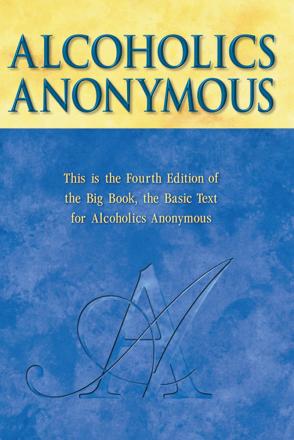
Image Source
The sign on the door reads: Welcome to AA. The room is dark. The atmosphere is foreboding. Men, homeless and dirty, sit in a silent circle, tweaking out and smoking. “You go to those,” John shared, as he repeated a remark a friend once said. He had told her he was in AA, choosing sobriety. “I just don’t think I would want to be surrounded by a bunch of addicts,” she had finished. His response, “I am an addict.” John softly chuckled and rolled his eyes. “I think there is a misconception,” he said, “in a lot of people’s minds of what constitutes as alcoholism, what AA is for, and what it looks like.” Aforementioned, that to reorient ARL, it is the responsibility of the recovering alcoholic to change the narrative, and as John firmly discussed. Because the veracity of ARL discourse’s sole focus is within the realm of the recovering and twelve-step programs, PADs must work on revising the public conceptions of alcoholism. “There needs to be some kind of education,” John said. “There is this weird thing now where drinking is funny. You notice all these memes like—like ‘wine-mom’ memes—misleading people to believe that alcohol, alcoholism, is a joke.” Participants argued that these two depictions (AA is for homeless addicts and alcohol memes are humorous), associated with societal norms and mainstream media, are antithetical to the gravity of alcoholism and recovery programs’ culture.
Theme 3: Creative Subtitle [The Media Must Change the Landscape]
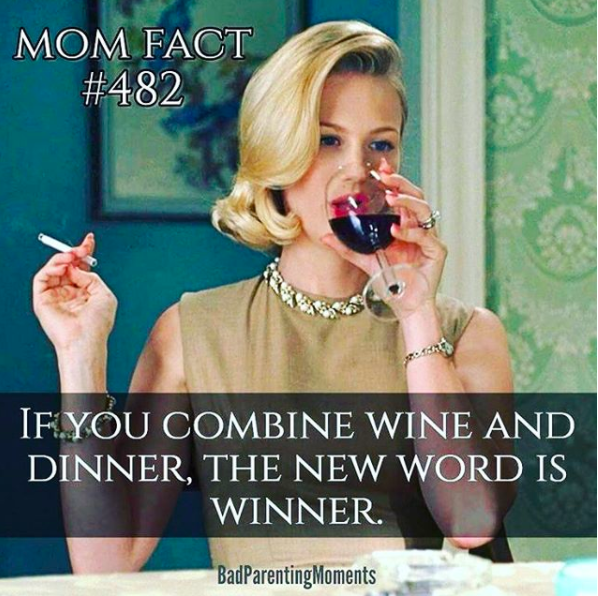
Image Source
This analysis reveals [1] the language gap between fact and stigmatizing perceptions of alcoholism and recovery; [2] literary discourse can be employed to facilitate a new framework of recovery and alcoholism; [3] language plays a role in causing reservations in treatment-seeking and recovery. These findings underwrite the reorientation of ARL approaches, specifically within society and the media. This endeavor poses challenges; however, interpersonal relationships between the recovering and the public is a step. In addition, modifying perceptions through discourse and the conviction to call out the invalidity of media are steps to ameliorate language practice and literary discourse across alcoholism and recovery.
Implications: Why It Matters
For ARL to act as an intimate communal tool, first, provisions must include necessary frameworks centered around logic, reasoning, and understanding that educate alcoholism is a disease, not a behavioral problem. Second, communal ARL services initiate the eradication of stigma and shame and enable PADs to seek treatment. Third, ARL discourse and literary material within the PADs experience provide educational and emotional support, which in turn encourages PADs to advocate recovery, initiate exogamous aid, and embrace sobriety. In addition, for ARL to operate within the larger context of global communication, further education and modification within the discourse and literary studies PADs, public, literary educators, and medical professionals must reorient how they discuss alcoholism and recovery. Last, PADs must change the narrative, disputing misconceptions and publicizing sober lifestyle, reshaping the framework of alcoholism and recovery.
Creative Title [for response/Product]
Below, we discuss what we product(s) we created to respond to our “wicked” problem.
Project 1: Creative Subtitle [Mocktail + Mingle Workshop for Young Adults]
Lorem ipsum dolor sit amet, consectetur adipiscing elit, sed do eiusmod tempor incididunt.

Image Source
Quis ipsum suspendisse ultrices gravida. Risus commodo viverra maecenas accumsan lacus vel facilisis. Lorem ipsum dolor sit amet, consectetur adipiscing elit, sed do eiusmod tempor incididunt ut labore et dolore magna aliqua.
Lorem ipsum dolor sit amet, consectetur adipiscing elit, sed do eiusmod tempor incididunt ut labore et dolore magna aliqua. Lorem ipsum dolor sit amet, consectetur adipiscing elit, sed do eiusmod tempor incididunt ut labore et dolore magna aliqua. Quis ipsum suspendisse ultrices gravida. Risus commodo viverra maecenas accumsan lacus vel facilisis. Lorem ipsum dolor sit amet, consectetur adipiscing elit, sed do eiusmod tempor incididunt ut labore et dolore magna aliqua.

Activity: Title
Lorem ipsum dolor sit amet, consectetur adipiscing elit, sed do eiusmod tempor incididunt ut labore et dolore magna aliqua.

Activity: Title
Lorem ipsum dolor sit amet, consectetur adipiscing elit, sed do eiusmod tempor incididunt ut labore et dolore magna aliqua.

Activity: Title
Lorem ipsum dolor sit amet, consectetur adipiscing elit, sed do eiusmod tempor incididunt ut labore et dolore magna aliqua.

Activity: Title
Lorem ipsum dolor sit amet, consectetur adipiscing elit, sed do eiusmod tempor incididunt ut labore et dolore magna aliqua.
Lorem ipsum dolor sit amet, consectetur adipiscing elit, sed do eiusmod tempor incididunt ut labore et dolore magna aliqua. Lorem ipsum dolor sit amet, consectetur adipiscing elit, sed do eiusmod tempor incididunt ut labore et dolore magna aliqua. Quis ipsum suspendisse ultrices gravida. Risus commodo viverra maecenas accumsan lacus vel facilisis. Lorem ipsum dolor sit amet, consectetur adipiscing elit, sed do eiusmod tempor incididunt ut labore et dolore magna aliqua.
Click here to read more about our educational workshop.
Project 2: Creative Title [Kasey’s “A Social Shift” Instagram Campaign]
Lorem ipsum dolor sit amet, consectetur adipiscing elit, sed do eiusmod tempor incididunt ut labore et dolore magna aliqua. Lorem ipsum dolor sit amet, consectetur adipiscing elit, sed do eiusmod tempor incididunt ut labore et dolore magna aliqua. Quis ipsum suspendisse ultrices gravida. Risus commodo viverra maecenas accumsan lacus vel facilisis. Lorem ipsum dolor sit amet, consectetur adipiscing elit, sed do eiusmod tempor incididunt ut labore et dolore magna aliqua.
Video Caption
Lorem ipsum dolor sit amet, consectetur adipiscing elit, sed do eiusmod tempor incididunt ut labore et dolore magna aliqua. Lorem ipsum dolor sit amet, consectetur adipiscing elit, sed do eiusmod tempor incididunt ut labore et dolore magna aliqua. Quis ipsum suspendisse ultrices gravida. Risus commodo viverra maecenas accumsan lacus vel facilisis. Lorem ipsum dolor sit amet, consectetur adipiscing elit, sed do eiusmod tempor incididunt ut labore et dolore magna aliqua.

Image Source

Image Source

Image Source
Lorem ipsum dolor sit amet, consectetur adipiscing elit, sed do eiusmod tempor incididunt ut labore et dolore magna aliqua. Lorem ipsum dolor sit amet, consectetur adipiscing elit, sed do eiusmod tempor incididunt ut labore et dolore magna aliqua. Quis ipsum suspendisse ultrices gravida. Risus commodo viverra maecenas accumsan lacus vel facilisis. Lorem ipsum dolor sit amet, consectetur adipiscing elit, sed do eiusmod tempor incididunt ut labore et dolore magna aliqua.

Click here to view our Instagram.
Project 3: Creative Title [Isaiah’s “Off the Rocks” Podcast]
Lorem ipsum dolor sit amet, consectetur adipiscing elit, sed do eiusmod tempor incididunt ut labore et dolore magna aliqua. Lorem ipsum dolor sit amet, consectetur adipiscing elit, sed do eiusmod tempor incididunt ut labore et dolore magna aliqua.
Video Source
Lorem ipsum dolor sit amet, consectetur adipiscing elit, sed do eiusmod tempor incididunt ut labore et dolore magna aliqua. Lorem ipsum dolor sit amet, consectetur adipiscing elit, sed do eiusmod tempor incididunt ut labore et dolore magna aliqua. Quis ipsum suspendisse ultrices gravida. Risus commodo viverra maecenas accumsan lacus vel facilisis. Lorem ipsum dolor sit amet, consectetur adipiscing elit, sed do eiusmod tempor incididunt ut labore et dolore magna aliqua.
“Off the Rocks” Episodes
Spotify Source
Lorem ipsum dolor sit amet, consectetur adipiscing elit, sed do eiusmod tempor incididunt ut labore et dolore magna aliqua. Lorem ipsum dolor sit amet, consectetur adipiscing elit, sed do eiusmod tempor incididunt ut labore et dolore magna aliqua. Quis ipsum suspendisse ultrices gravida. Risus commodo viverra maecenas accumsan lacus vel facilisis. Lorem ipsum dolor sit amet, consectetur adipiscing elit, sed do eiusmod tempor incididunt ut labore et dolore magna aliqua.
Conclusion: Creative Subtitle
Lorem ipsum dolor sit amet, consectetur adipiscing elit, sed do eiusmod tempor incididunt ut labore et dolore magna aliqua. Lorem ipsum dolor sit amet, consectetur adipiscing elit, sed do eiusmod tempor incididunt ut labore et dolore magna aliqua. Quis ipsum suspendisse ultrices gravida. Risus commodo viverra maecenas accumsan lacus vel facilisis. Lorem ipsum dolor sit amet, consectetur adipiscing elit, sed do eiusmod tempor incididunt ut labore et dolore magna aliqua.
Lorem ipsum dolor sit amet, consectetur adipiscing elit, sed do eiusmod tempor incididunt ut labore et dolore magna aliqua. Lorem ipsum dolor sit amet, consectetur adipiscing elit, sed do eiusmod tempor incididunt ut labore et dolore magna aliqua. Quis ipsum suspendisse ultrices gravida. Risus commodo viverra maecenas accumsan lacus vel facilisis. Lorem ipsum dolor sit amet, consectetur adipiscing elit, sed do eiusmod tempor incididunt ut labore et dolore magna aliqua.
Lorem ipsum dolor sit amet, consectetur adipiscing elit, sed do eiusmod tempor incididunt ut labore et dolore magna aliqua. Lorem ipsum dolor sit amet, consectetur adipiscing elit, sed do eiusmod tempor incididunt ut labore et dolore magna aliqua. Quis ipsum suspendisse ultrices gravida. Risus commodo viverra maecenas accumsan lacus vel facilisis. Lorem ipsum dolor sit amet, consectetur adipiscing elit, sed do eiusmod tempor incididunt ut labore et dolore magna aliqua.
Works Cited
Broyles, Lauren M., et al. “Confronting Inadvertent Stigma and Pejorative Language in Addiction Scholarship: A Recognition and Response.” Substance Abuse, vol. 35, no. 3, July 2014, pp. 217–221. EBSCOhost, doi:10.1080/08897077.2014.930372
Dermatis, Helen, and Marc Galanter. “The Role of Twelve-Step-Related Spirituality in Addiction Recovery.” Journal of Religion and Health, vol. 55, no. 2, 2016, pp. 510–521., www.jstor.org/stable/24735491. Accessed 11 Oct. 2020.
Hodge, David R. “Alcohol Treatment and Cognitive—Behavioral Therapy: Enhancing Effectiveness by Incorporating Spirituality and Religion.” Social Work, vol. 56, no. 1, 2011, pp. 21–31. JSTOR, www.jstor.org/stable/23718987. Accessed 11 Oct. 2020.
Kopelson, Karen. “Sloganeering Our Way to Serenity: AA and the Language(s) of America.” JAC, vol. 27, no. 3/4, 2007, pp. 591–636. JSTOR, www.jstor.org/stable/20866801. Accessed 17 Oct. 2020.
Martinelli, Thomas F., et al. “Language and Stigmatization of Individuals with Mental Health Problems or Substance Addiction in the Netherlands: An Experimental Vignette Study.” Health & Social Care in the Community, Mar. 2020. EBSCOhost, doi:10.1111/hsc.12973.
Mitchell, Allison. “Taking Mentality Seriously: A Philosophical Inquiry into the Language of Addiction and Recovery.” Philosophy, Psychiatry, & Psychology, vol. 13, no. 3, Sept. 2006, pp. 211–222. EBSCOhost, doi:10.1353/ppp.2007.0015.