After a week of waiting, I had received a little over 10 responses from professors at SIUE. Even though I had received less answers than I originally expected, I did notice some patterns in the responses. While only 3 participants mentioned teaching or planning to teach a course, such as Environmental Anthropology, that would benefit from the input of a community organization, those same participants went on to state that they had prior experience working with a community organization in a classroom setting. Also, only one out of three participants claimed that they had a negative experience with these organizations. A common theme throughout these responses appears to be a positive outlook on community organizations from the professors.
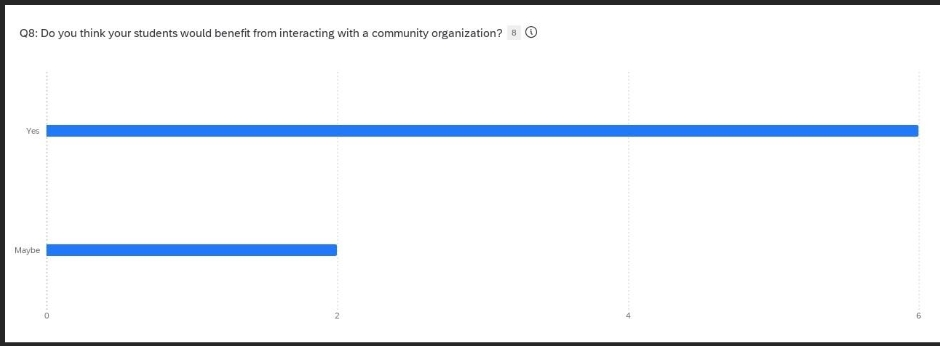
Figure 1. Professors’ response to community organizations relationships benefiting students
Overall, the majority of the professors seem to believe that the use of community organizations is beneficial for students in and outside of school (Figure 1), with several of them arguing that it gives the students both practical and real-world experience. From the responses, it is obvious that many of these professors are willing to offer lecture time to these organizations as well. When asked what these community organizations can do in a classroom setting, the majority of them suggested either giving lectures or networking with students.
After asking whether or not students would benefit from collaborating with community organizations in a classroom setting, I went on to ask why the professors chose this answer. The majority of the responses I received suggested that it would offer much real-world experience to those participating in the course. However, there was one response that I decided to take a closer look at.
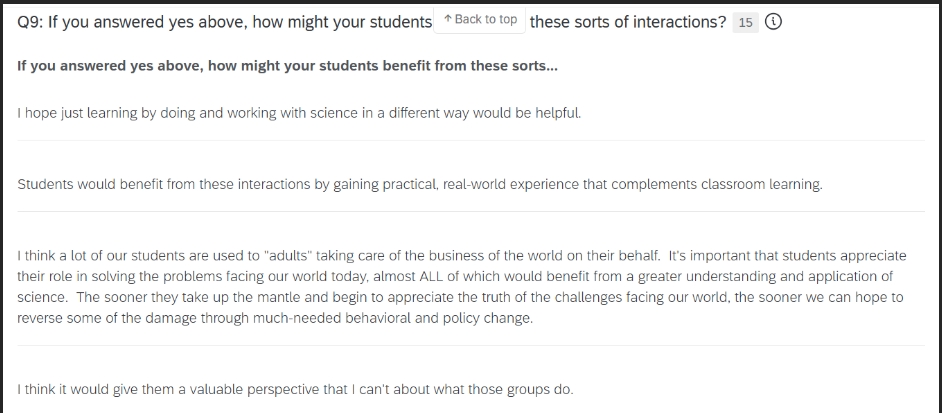
Figure 2. Open responses to benefits to students
The last response to this question has highlighted the idea that community organizations can offer both experience and knowledge that college professors cannot provide to their students. While this was only one opinion out of multiple, this specific professor has shown how community organizations can offer input from actual community works, while professors can only show students what to expect. The professor could not provide a specific example for a class that they could teach to contribute, but they are willing to support these efforts regardless. Even if it is difficult for the average professor to help with this issue, we do have people who are willing to do what they can to allow their students to learn from community organizations.