ME #1 -CODES 120
Jaydon Anderson
Dr. Wamalwa
CODES 120
September 20, 2026
Soccer Isn’t Just a Game to Watch
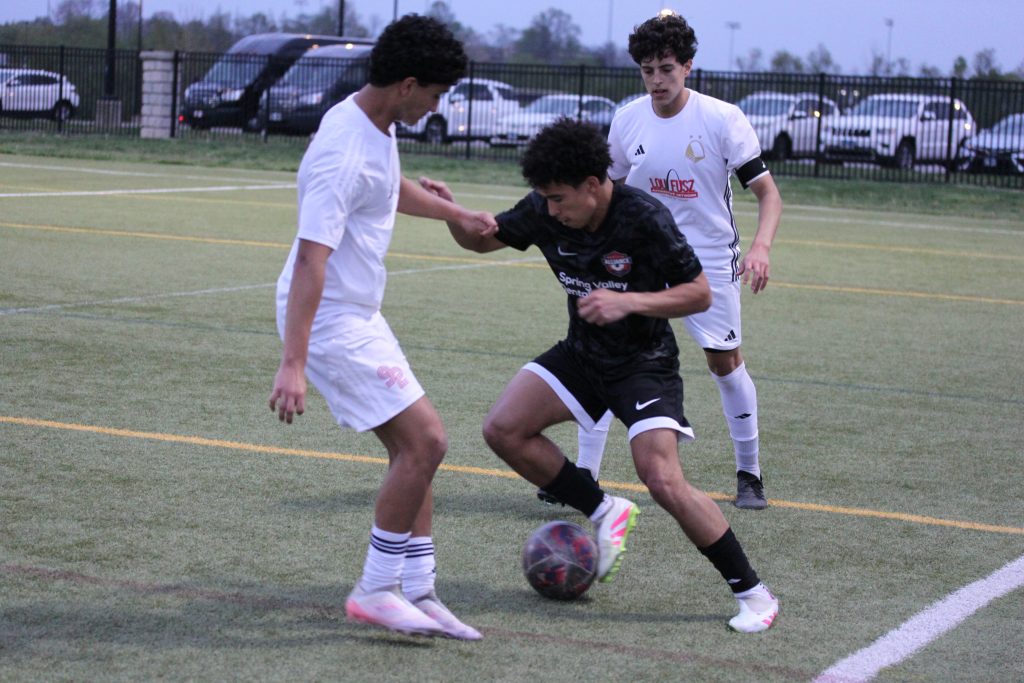
Imagine that you are a spectator of the bleachers at your hometown’s soccer game. You see the players on your high school team, going through warmup drills before the game starts, you see the other team running team coming up with a formation, and you see the field. It’s just a game, right? At first glance, you’re not wrong. But what you fail to see is all of the little systems that are intertwined within the sport itself. I assure you, there’s many more moving pieces than the players on the field, and you, the spectator, play a part too. When these details are identified and seen, positive changes can be made. How do I know? I’d love to share it with you. Hello, my name is Jaydon Anderson, and this is a multimedia essay about how my soccer career has tied into my learning experience for a class called Community Oriented Digital Engagement Scholars (CODES for short) in college.
CODES is a class that is about conducting research to understand and help communities. To help a community solve an issue that they have, I need to have the resources and skills to do so. One of the skills that I need to have is to be able to identify systems in life. This is an amazing skill to have, and that is why I want to use soccer as my outlet for explaining how I can use what I’ve learned in CODES and relate it to something I’ve endured.
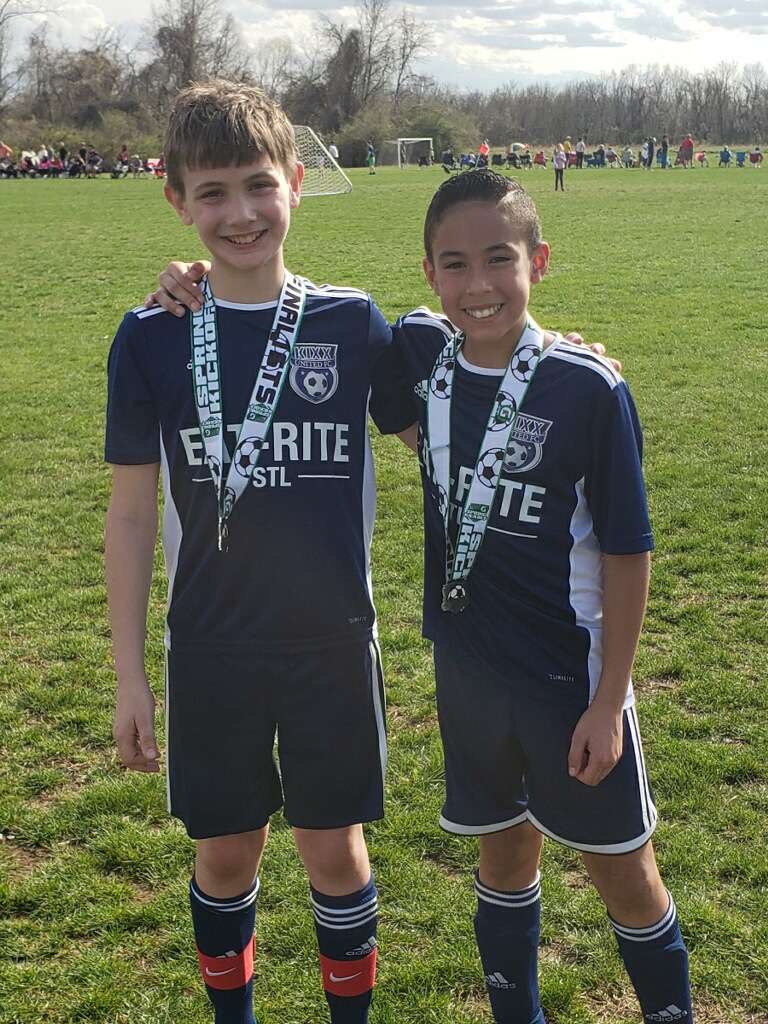
I started playing soccer at the early age of six, with some friends during recess at elementary school. Back then, soccer was just fun. There weren’t many rules, no one was watching, and no referee. Just kids, a ball, and a goal. I learned to love it more than anything else during school. It was the one and only thing I looked forward to. It became the reason I made it out of bed in the morning. I had this one specific friend named Merrick Buckingham, who was much better than anyone else I had ever met. To this day, he’s still one of the best players I know. He became close friends of mine in kindergarten, and him and I have been friends ever since. He was my inspiration to stick with the sport, and he showed me my own potential.
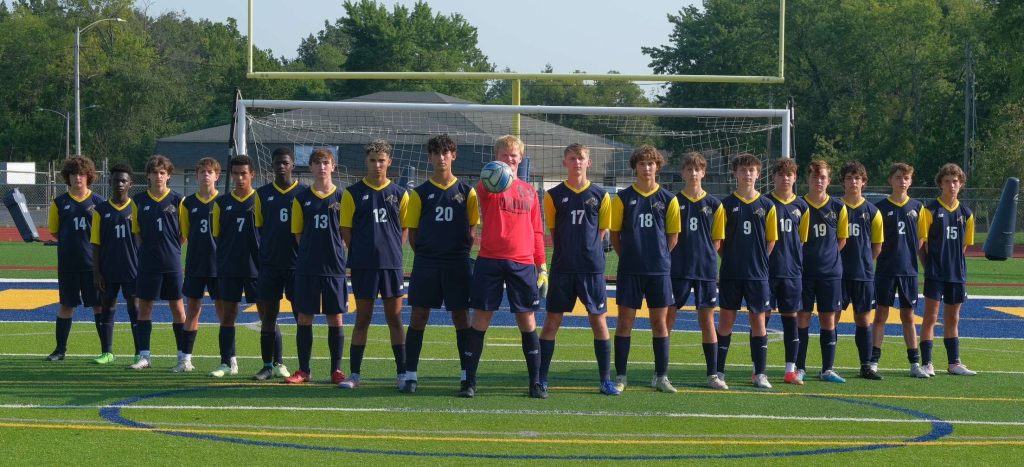
We played together in middle school, and that was when I started to see soccer on a more critical level. There were positions, strategies, and very detailed moving pieces that you don’t see unless you’ve either played before or watched professional leagues. My mom and stepdad would always make it to watch my games. They knew what position I played, but they never knew what formation we were running, what players were strong at what, who was close with the coach, or who made sure that our games ended up on the schedule. These are all parts of my soccer reality, and they are all part of a system. The players, the coach, the parents on the sidelines, the sports director of my middle school, every little piece. Without one of these, the system falls apart. This is something that I have been taught in CODES. All around us, there are systems, and all of them can work differently.
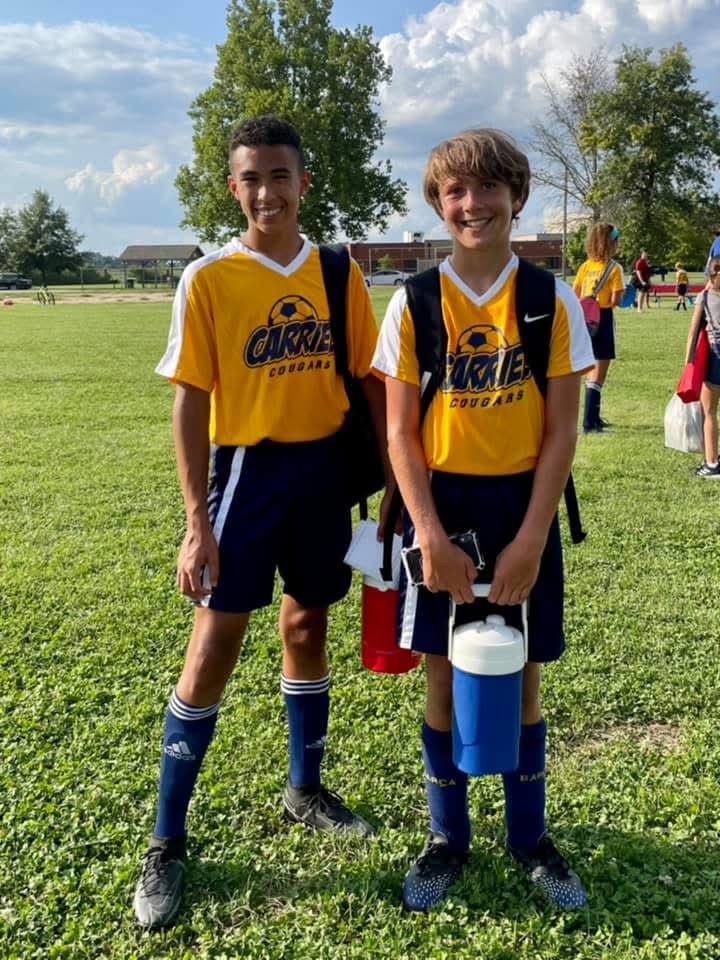
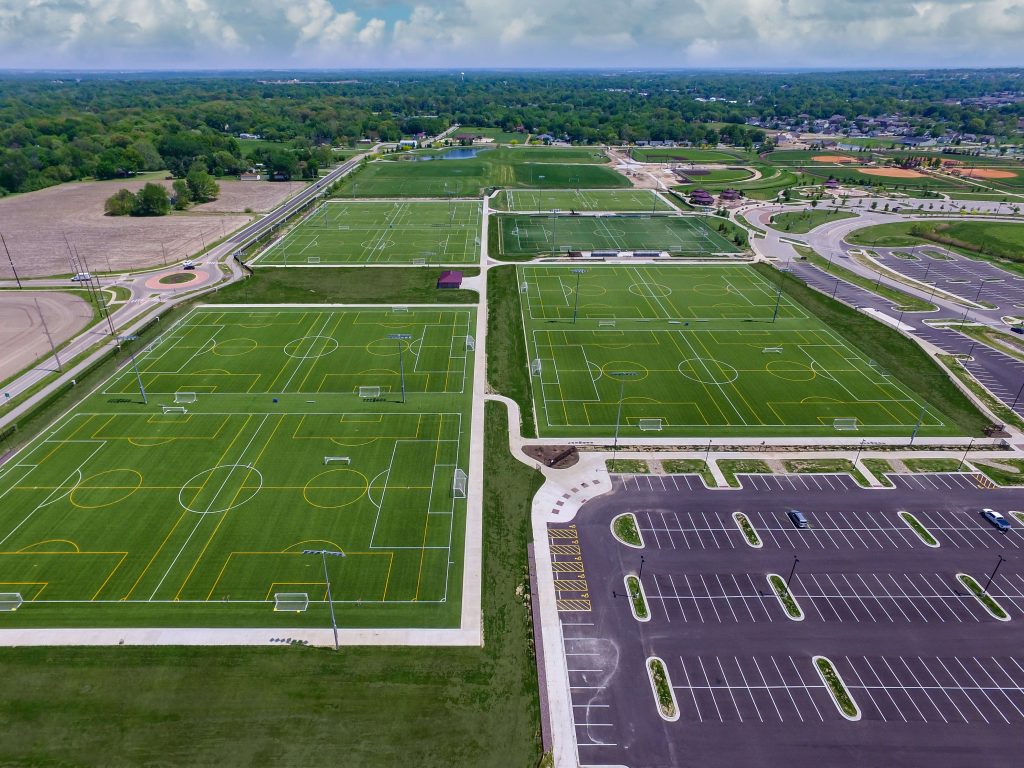
As I got older, I played on club teams. The last club team I played on was called Metro Alliance Football Club (MAFC). This was the local club for my town, O ‘Fallon Illinois. I played for MAFC for three years in total. I enjoyed the games I played, the soccer park we played on, and the community. As time went on, I started to realize that there was much more going on than just games and tournaments being held for our club. The area was starting to expand. As time went on, more fields were built, the parking lots were being expanded, and more buildings were undergoing construction around the sports park. Our soccer park began to bring in so many people from other towns and states that the entire area was beginning to grow more economically. The economy plays soccer, too. Without the people who supported my town’s sports park, it would not grow into what it is today. The funding and money that came from the club I played on, and the other teams who pay money to play in those fields helped support the economy immensely. O’ Fallon could afford to keep expanding the area, building hotels for families to stay in over long soccer weekends.
I learned in CODES that a driver is someone or something that creates a large impact on a system. I’m identifying my town as a system. The driver for my town is the soccer park. The soccer park allowed my town to have funding to grow economically. Being able to identify the sport as a driver just shows that soccer can truly have an impact on the community. There are many different ways to see sport as a system.
The strategies I was taught growing up, the friendships made throughout the years of playing the sport, and even the economic growth in my hometown are all different ways to look at how soccer can be looked at as a system. Now, CODES is all about solving problems, and there is not much of a problem in the soccer system in my hometown. But being able to identify all the small moving parts of soccer shows that I can analyze another system or community on a critical level. That is what CODES is all about, and I’m so glad to be using my past as a stepping stone in my learning journey in CODES.