| A Work | B Work | C Work |
-Misses one class or less, or completes make-up work for excused absences-Annotates all readings thoroughly-Makes substantive comments in discussions-Completes all assignments on time (or has an approved extension request)-Work demonstrates intellectual engagement, care, effort, and growth in response to feedback-Collaborates substantially, contributes to vision, works equally with peers | -Misses two classes or less, or completes make-up work for excused absences-Annotates readings -Often participates in discussion-Completes all major assignments on time (or has an approved extension request)-Completes most SAs on time-Work demonstrates care, effort, and growth in response to feedback-Collaborates equally, completes required work | -Misses three classes or fewer, or completes make-up work for excused absences-Completes most readings-Sometimes adds to discussion-Completes all major assignments on time (or has an approved extension request)-Completes at least four SAs-Meets minimal expectations on assignments; shows limited growth in response to feedback-Completes required collaborative work |
| What concepts are you going to learn, or skills are you going to develop? | What will you do to learn the content/ develop the skill? | What examples will you add to the portfolio to demonstrate your learning? | What characteristics of the chosen examples demonstrate you have met your goal? |
| Goal 1 4) Global Learninga. Adapts and applies a deep understanding of multiple worldviews, experiences, and power structures while initiating meaningful interaction with other cultures to address significant global problems. | I will participate in discussions and activities that help me interact respectfully to gauge different experiences and viewpoints from my own. I will compare different perspectives and try to consider how culture and power structures influence the way people think about and understand global problems. | Research Project Group/Class Discussions Reflections Group Work | These examples will help demonstrate that I can understand and explain different worldviews. The following assignments also show that I can consider the effects of different cultures and backgrounds when discussing solutions to global problems. |
| Goal 2 5) Information Literacy b. Accesses information using effective, well-designed search strategies and appropriate sources. | I will practice using different sources and library resources, websites to effectively find information. I will learn how to determine if a source is relevant, accurate, and credible, as well as current, while also comparing information from other sources. | Annotated Bibliography Research Project Scientist Spotlight Research paper Research paper citations | The following examples will demonstrate how I will use effective search strategies and reliable resources to help support my research. Showing that my research is credible and accurate. |
| Goal 3 9) Problem-Solving Skills c. Implements solutions to address multiple contextual factors. | I will practice identifying problems and implementing solutions that can solve every factor of the problem. | Research Project Jigsaw Classwork Group Work Reflections | These examples will show that I can identify different factors that influence a problem and use that information to develop a solution. |
| Goal 4 10) Quantitative Literacy b. Uses quantitative analysis of data as the basis for deep and thoughtful judgments, drawing insightful, carefully qualified conclusions. | I will practice interpreting and analyzing different forms of data. Noticing patterns or trends within research. Making conclusions based on what the evidence gathered supports. | Research Paper Research Project’ Experimental Design Project Research | These examples will show that I can use quantitative evidence to make informed conclusions . Showing that I can identify and explain what the numbers mean and analyze data to help draw different conclusions. |
| Goal 5 5) Information Literacya. Defines the scope of research questions effectively and selects information cogently to address them. | I will learn to determine what information is relevant to my research questions while also focusing on sources that directly support my research and questions. | Research paper Annotated Bibliography Experimental Design Research Question Reading Notebook Reflection | These examples will show that I can create a research question and identify directly relevant information. I can also organize evidence and select the important information that helps address factors of the research question. |
Goal One
4) Global Learning: Adapts and applies a deep understanding of multiple worldviews, experiences, and power structures while initiating meaningful interaction with other cultures to address significant global problems.
Scientist Spotlight 2
After reading and reviewing the resources on Dr. Lanham, the thing that was most interesting was his love for birds and how it’s not just a passion but also a career for him. I didn’t know you could make a career out of bird watching because for most people it’s a hobby. I think it was interesting that he was able to admit that you don’t see many black people pursuing a career as an ornithologist, but even though there’s little representation, he didn’t let that discourage him from pursuing it as a career. He became the representation and inspiration we needed to see & many other young African American gentlemen can see and acknowledge; hopefully, one day it can inspire them. I learned that bird watching isn’t just looking at and identifying birds. It takes time, patience, and effort. He went into detail about that in the video “9 rules for the Black Birdwatchers”. It was sad to hear that even as an ornithologist, he still faces scrutiny and uncomfortable realities while birdwatching, but it was interesting to learn how he perseveres through being viewed as suspicious or when finding himself in uncomfortable situations. He’s still able to enjoy and have a passion for it, even though he might not have a pleasant experience every time due to his skin color. This made me think about the importance of diversity in science and conservation. There is underrepresentation when it comes to African Americans in science, agriculture, and conservation, but these sources show me that anyone can pursue a career in science; there are so many different fields and branches of science that you don’t have to limit yourself. These sources showed me that people who do science, like Dr. Lanham, are strong, hardworking, intelligent, and have great perseverance, but all scientists are different. Your background, skin color, or childhood doesn’t define you. One question that I do have is: how can birds watch people being introduced and opened up to people from different cultural backgrounds? How can it become more diverse without limitations? Overall, it was nice learning about Dr. Lanham, and it gave me hope about representation in science.
Goal Two
5) Information Literacy: Accesses information using effective, well-designed search strategies and appropriate sources.
Scientist Spotlight
It was interesting to learn that skin color was an evolutionary adaptation. Hearing Dr.Nina Jablonski’s story and seeing how she came from a different background but still pursued something she was passionate about was interesting. UV played a big role in the evolution and development of skin color and pigmentation. I didn’t know that UV and the amount of UV in different areas played such a significant role in the development & range of different skin tones. Learning about this has raised several questions, such as how long it takes for changes in skin color to occur during evolution. Also, how did scientists determine how skin colors looked or what they originally evolved from? I enjoyed learning about Dr.Nina Jablonski; her work and research were very innovative and motivating. Dr. Jablonski uses her knowledge and research to bring together the wonders of science. Just as humans have evolved, the science behind skin color has also. The evolution of skin color was a vital part of the research in Dr. Jablonski’s work. Over time, skin color has evolved because of differing levels of UV. Regions with less UV on lighter skin facilitate more Vitamin D production. Vitamin D is essential for your skin and your health. With different human populations changing and evolving, so has skin color. Lighter and darker skin have different amounts of melanocytes. Humans having different skin colors is also due to evolution. Dr. Nina Jablonski’s work ethic shows. Reading this research had me curious, and I came up with questions of my own. I developed a few questions, such as: Is it possible for someone who lives in an area that experiences lighter UV exposure to have the same skin tone as someone who experiences high levels of it? How do our current environments affect our skin pigmentation, and does using sunscreen have a positive impact? Will skin tones continue to evolve due to genetics, UV exposure, and change?
Learning about Dr. Jablonski’s work gave me a different perspective on the science behind evolution and how humans came to be. It made me realize it’s way deeper than the misconceptions or stereotypes thrown around.
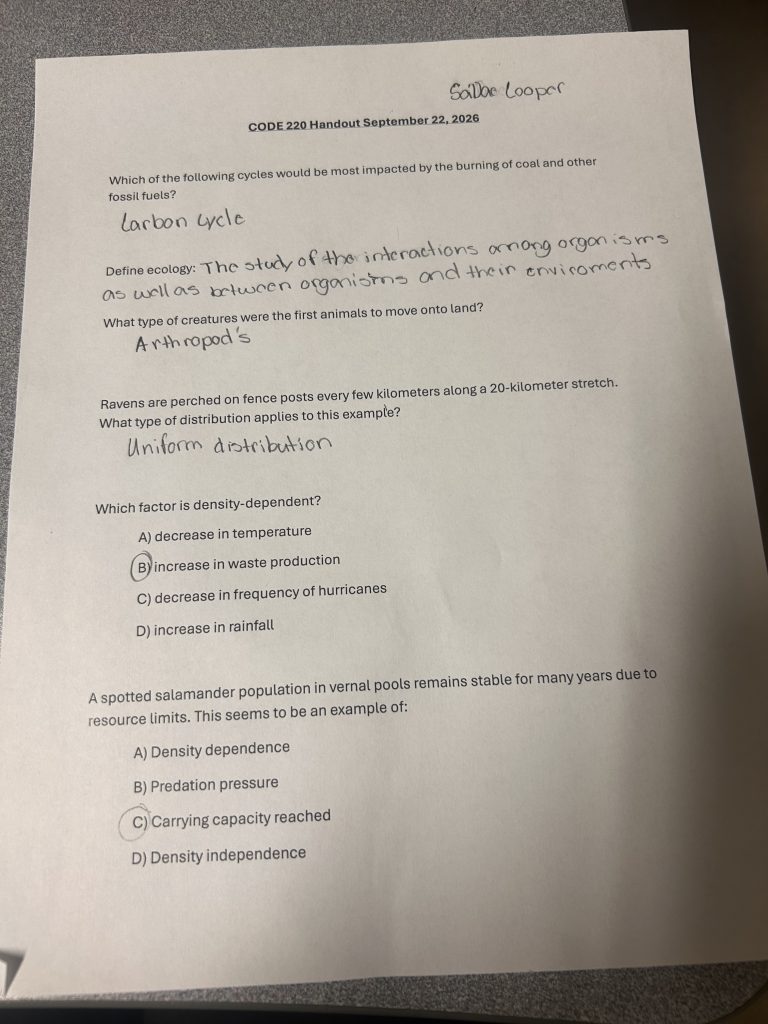
Goal Three
Problem-Solving Skills: Implements solutions to address multiple contextual factors.
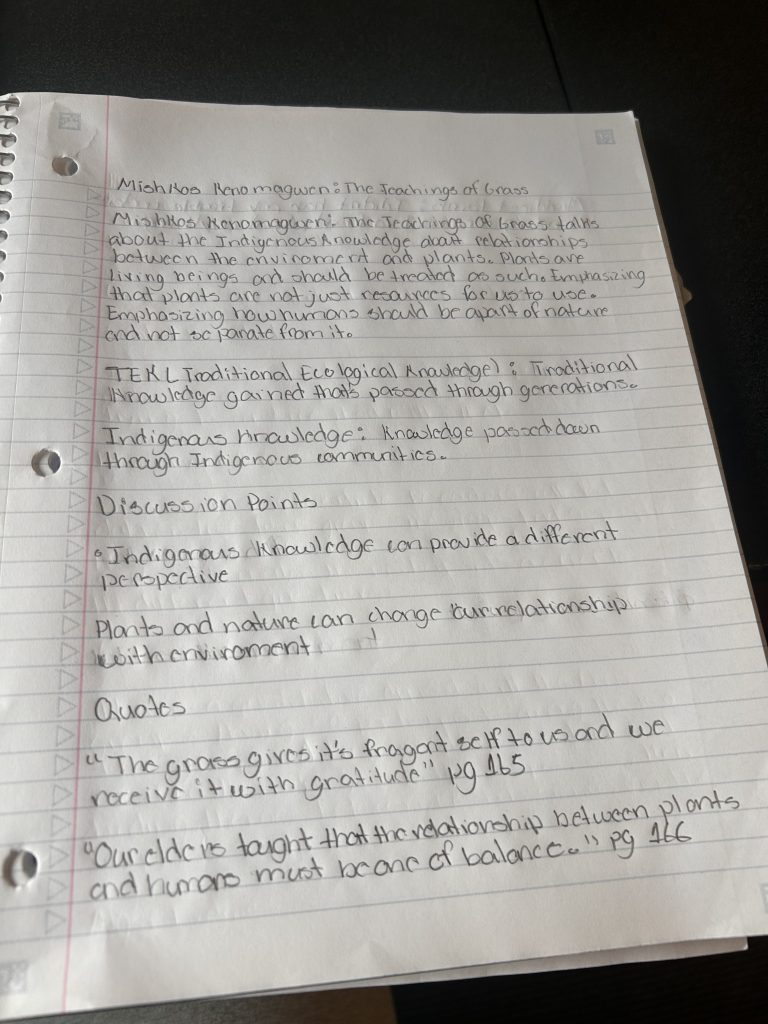
Classwork
Goal Four
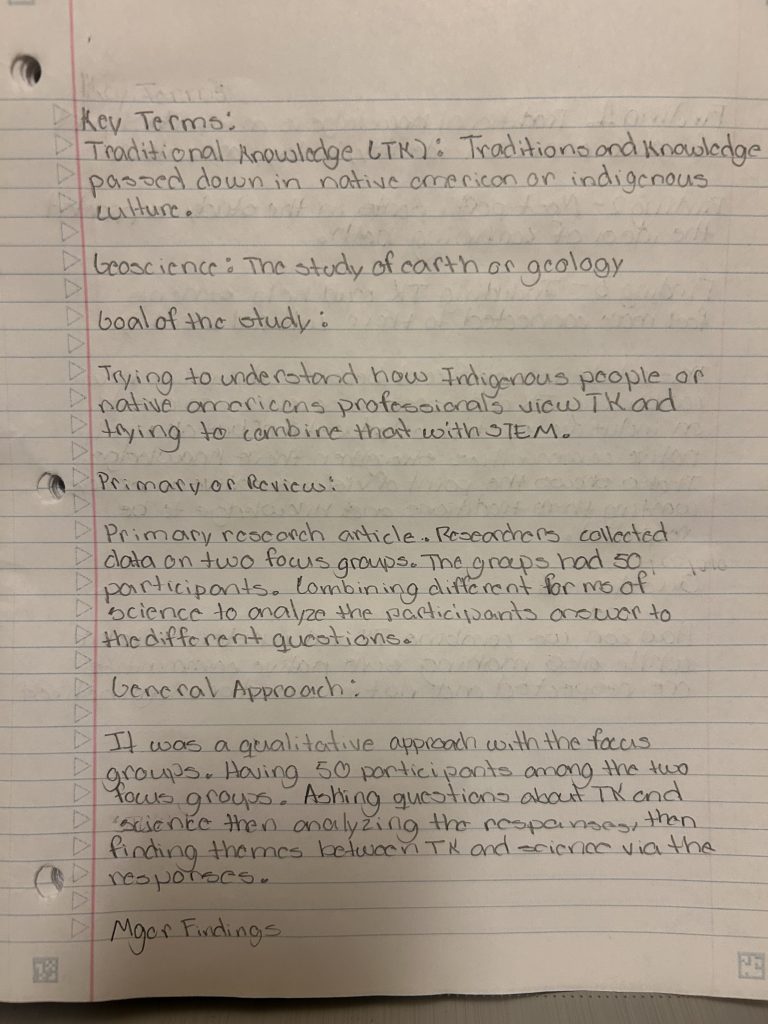
Quantitative Literacy: Uses quantitative analysis of data as the basis for deep and thoughtful judgments, drawing insightful, carefully qualified conclusions.
Reading Notebook Reflection
Goal Five
Information Literacy: Defines the scope of research questions effectively and selects information cogently to address them.
Reading Notebook Reflection