CODES 122 Class Portfolio

Your Goal Grade
Highlight the header for the column below to indicate which grade you plan to work toward in the course. Meeting the basic requirements for your chosen letter grade, according to the table below, is mandatory.
| A Work | B Work | C Work |
– Misses one class or fewer, or completes make-up work for excused absences – Annotates all readings thoroughly – Contributes deeply to discussions – Completes all assignments on time or has approved extension – Work shows engagement, care, effort, and growth – Collaborates substantially, contributes to vision, and works equally with peers – Abides by the CODE of Conduct and classroom norms | – Misses two classes or fewer, or does make-up work for excused absences – Annotates most readings – Often participates in discussion – Completes all assignments on time or has approved extension – Work shows care, effort, and growth – Collaborates equally and completes required work – Abides by the CODE of Conduct and classroom norms | – Misses three classes or fewer, or does make-up work for excused absences – Completes most readings – Sometimes adds to discussion – Completes all major assignments and at least five SAs – Meets minimal expectations on assignments; shows some growth – Completes required collaborative work – Abides by the CODE of Conduct and classroom norms |
First-Week Introduction
As we kick off CODES 122, I’m excited to continue building on what we started in 120 and take our research to the next level. I’m hoping this semester includes more community visits and hands-on research because those experiences really bring the work to life and help me connect what we learn in class to real-world issues. I also hope my research group is more active and prepared this time around, as last semester I felt like I was carrying most of the workload, and while I truly value teamwork and collaboration, I also value my mental health. This semester, I plan to contribute fully, but I won’t be bending over backwards to pick up slack for team members who aren’t putting in the effort they should. I’m ready to engage, collaborate where it counts, and make sure our research is not only meaningful but also effective.
Midterm Introduction
So far, my experience in Research Team has been both challenging and rewarding. This class has helped me better understand how to work collaboratively toward a shared goal but at times, managing group responsibilities alongside my other courses has been difficult, but overall I’d say it has pushed me to improve my time management and communication skills.
Despite the challenges, this class specifically during this semester has made me more confidence in my public speaking abilities and has helped me grow as a student. I have learned how to contribute meaningfully to group discussions and how to present more fluently. Moving forward, I hope to have more fun with my tasks in order to be more engaged in the research process.
Final Introduction
Fill In Here
Course Goals:
Goal 1c (20%)
Civic Engagement
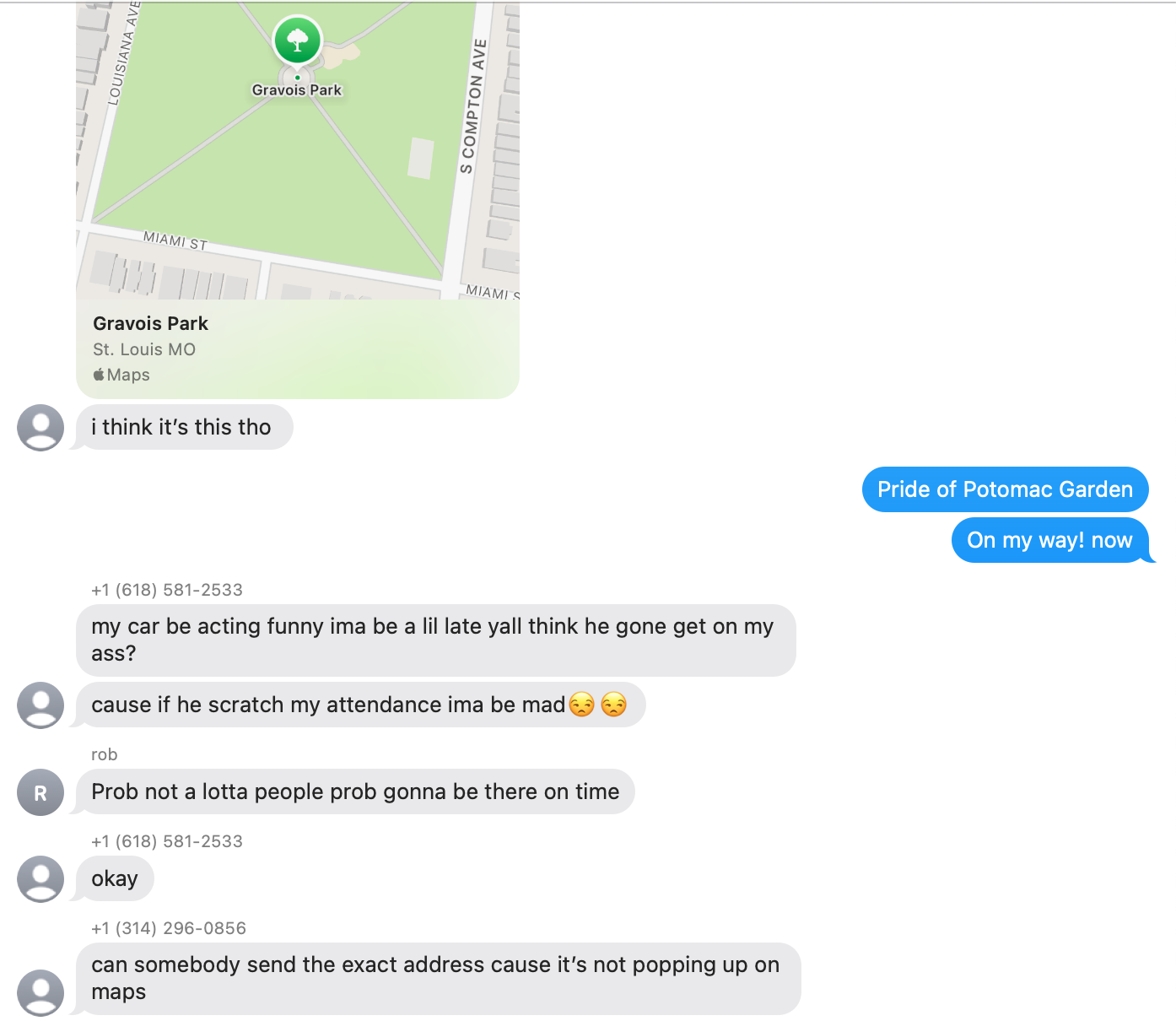
I will adapt my communication strategies to effectively interact with group team members and community partners. This includes tailoring my language, tone, and approach to different audiences, whether in person, online, or through interviews. My goal is to establish strong, professional relationships that support collaboration, understanding, and trust.
| What will you do to learn the content/ develop the skill? | What examples will you add to the portfolio to demonstrate your learning? | What characteristics of the chosen examples demonstrate you have met your goal? |
| I will practice adapting my communication style to different audiences to build strong, professional relationships with team members and community participants. | I will include: – Notes from community interviews showing different approaches to questions – Reflection entries on how I adjusted my tone or phrasing based on audience – Peer feedback highlighting effective communication during team meetings – Screenshots or transcripts of emails demonstrating professional communication | These examples show that I can intentionally adjust my communication to connect with diverse audiences and foster productive, respectful relationships. |
Goal 3a (20%)
Ethical Reasoning
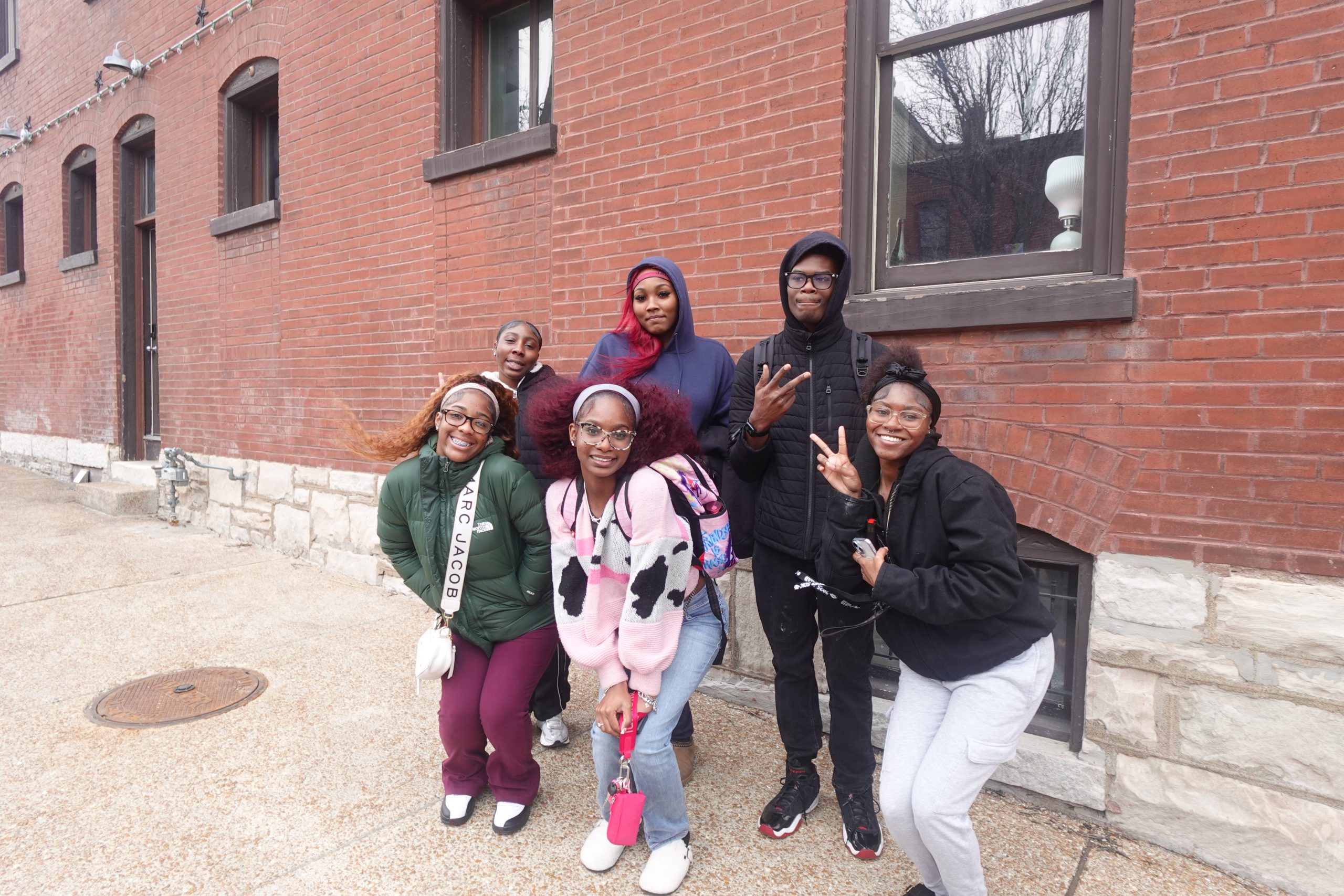
I will reflect on my personal beliefs, biases, and values as an STL native and how they influence my research decisions. I want to approach every step of the research process with ethical awareness, from interviewing participants to handling data, ensuring that our work is respectful, responsible, and aligned with professional standards. My goal is to make choices that prioritize fairness, transparency, and accountability.
| What will you do to learn the content/ develop the skill? | What examples will you add to the portfolio to demonstrate your learning? | What characteristics of the chosen examples demonstrate you have met your goal? |
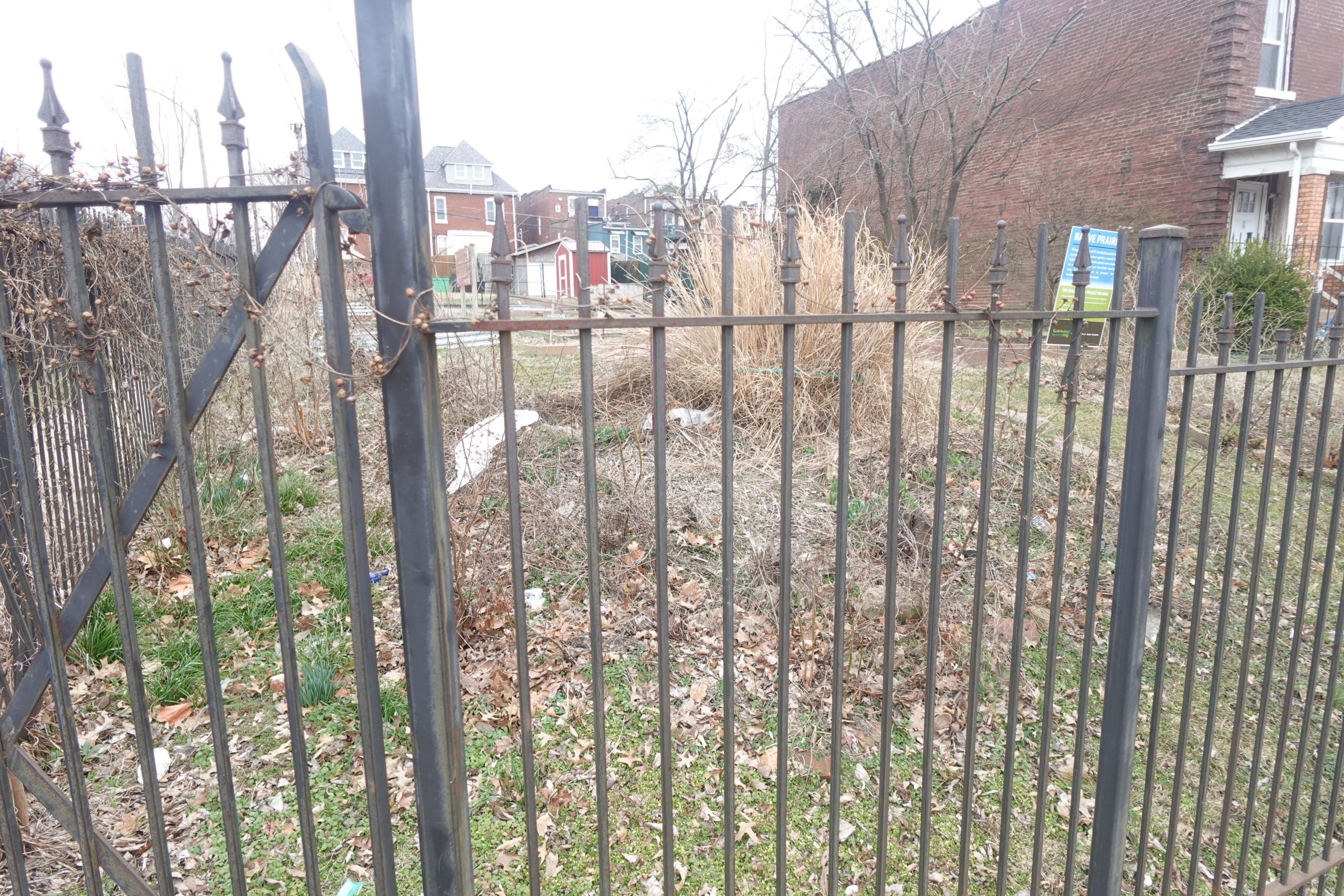
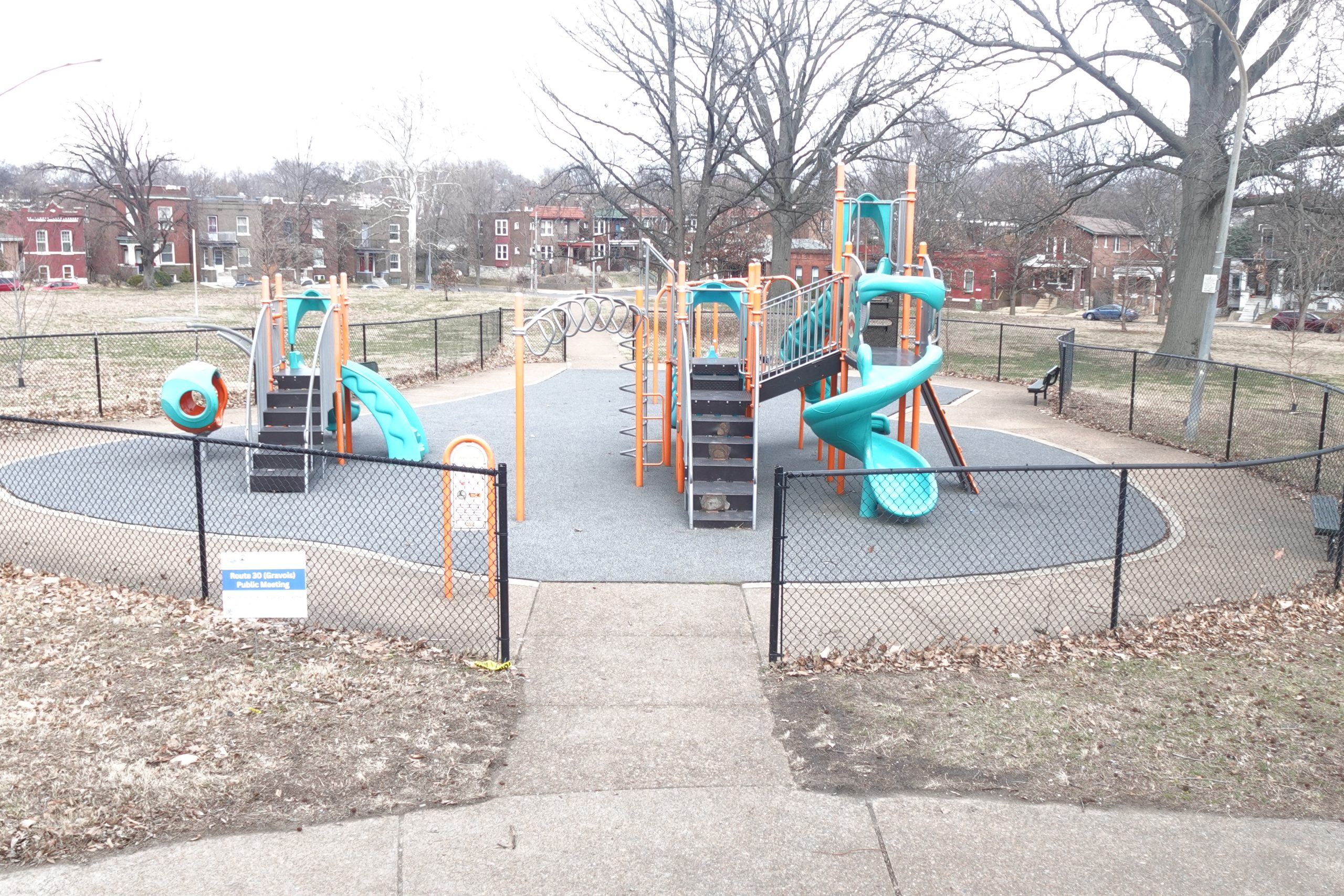
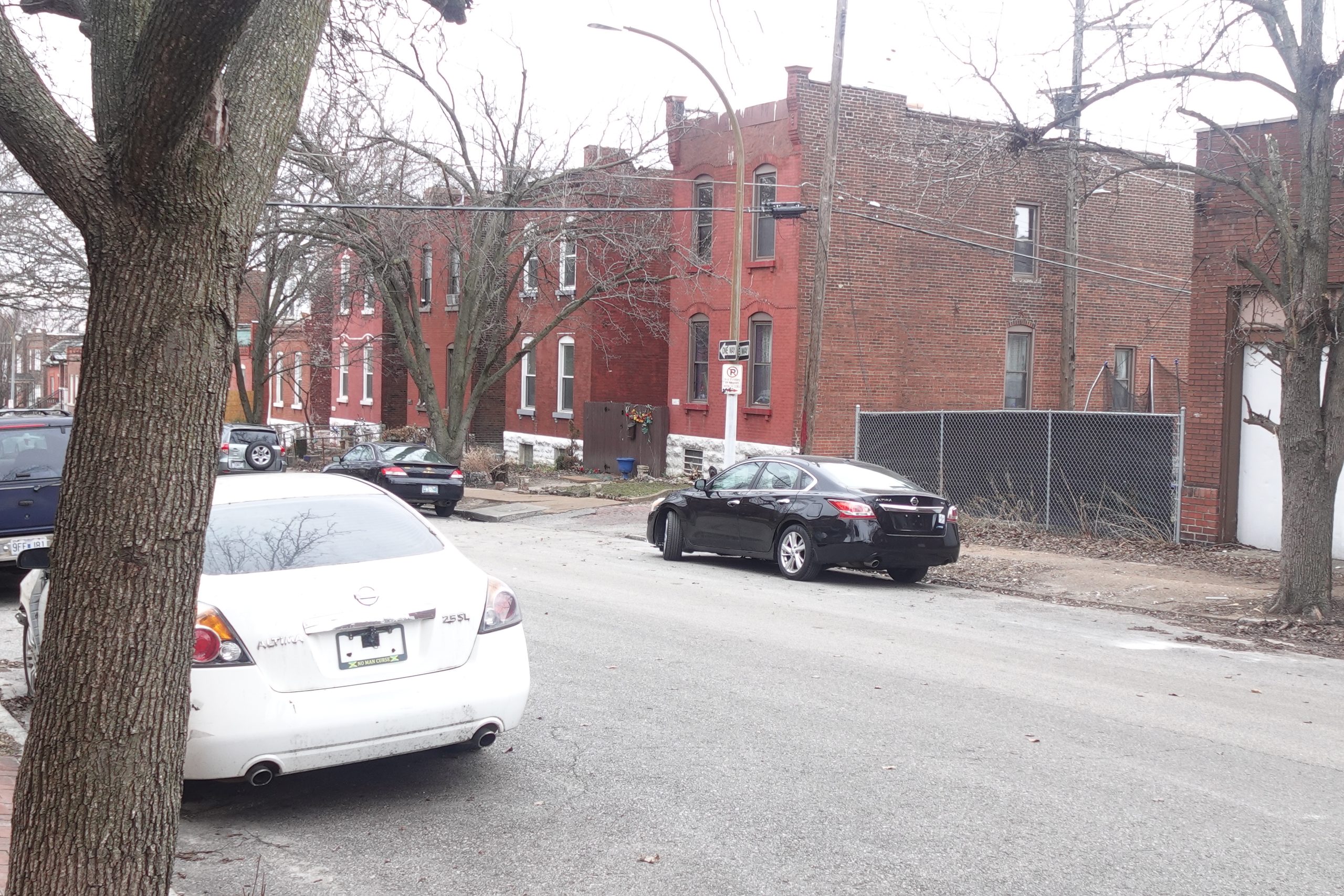
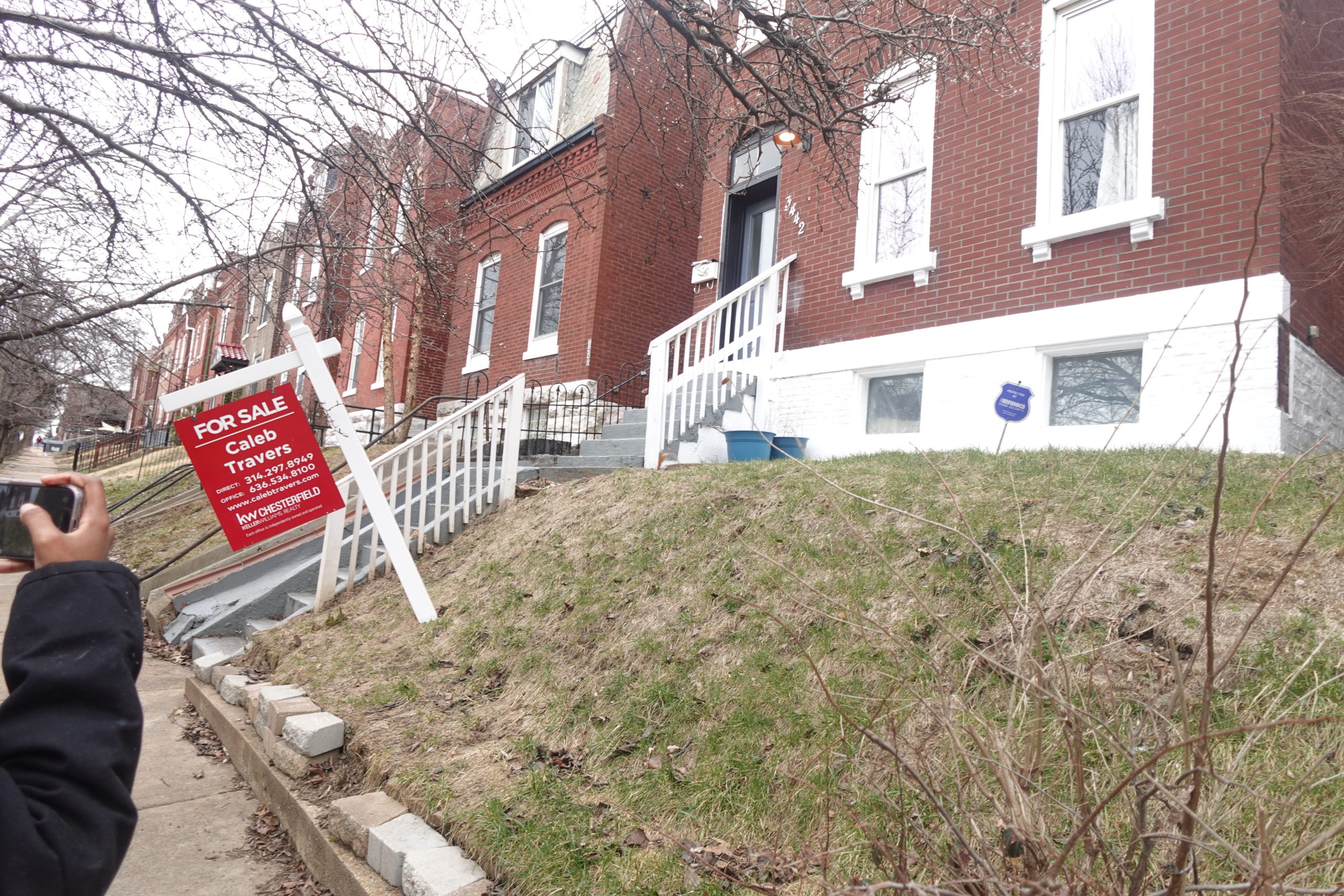
| I will reflect on my own beliefs and biases and apply ethical considerations to every stage of our research process. | I will include: – Photos from site visits – Examples of adjustments made to research methods for ethical reasons – Written explanation of how personal values influenced project decisions | These examples demonstrate that I consistently applied ethical reasoning and reflected on the impact of my decisions on both participants and the research team. |
Goal 5b (20%)
Informational Literacy
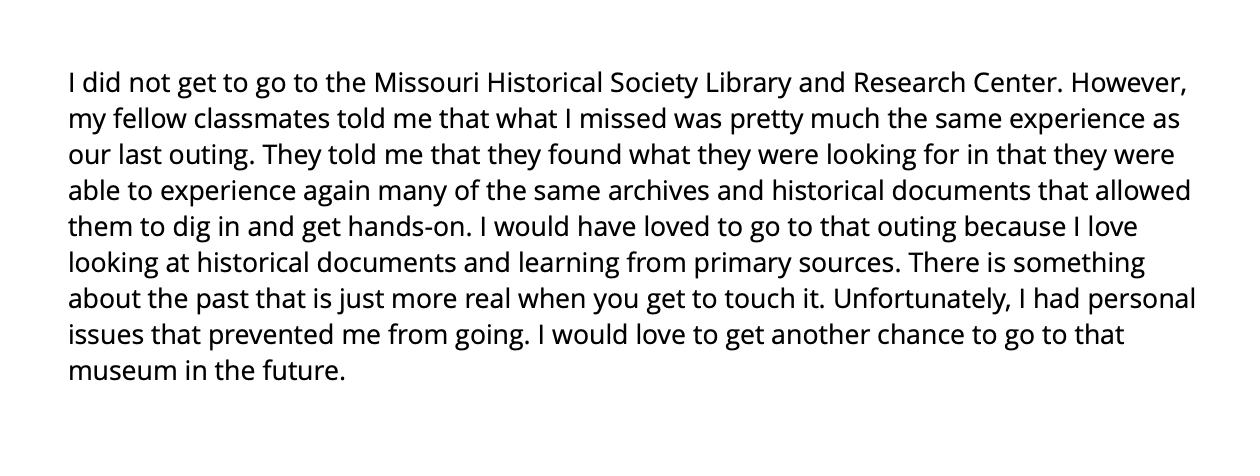
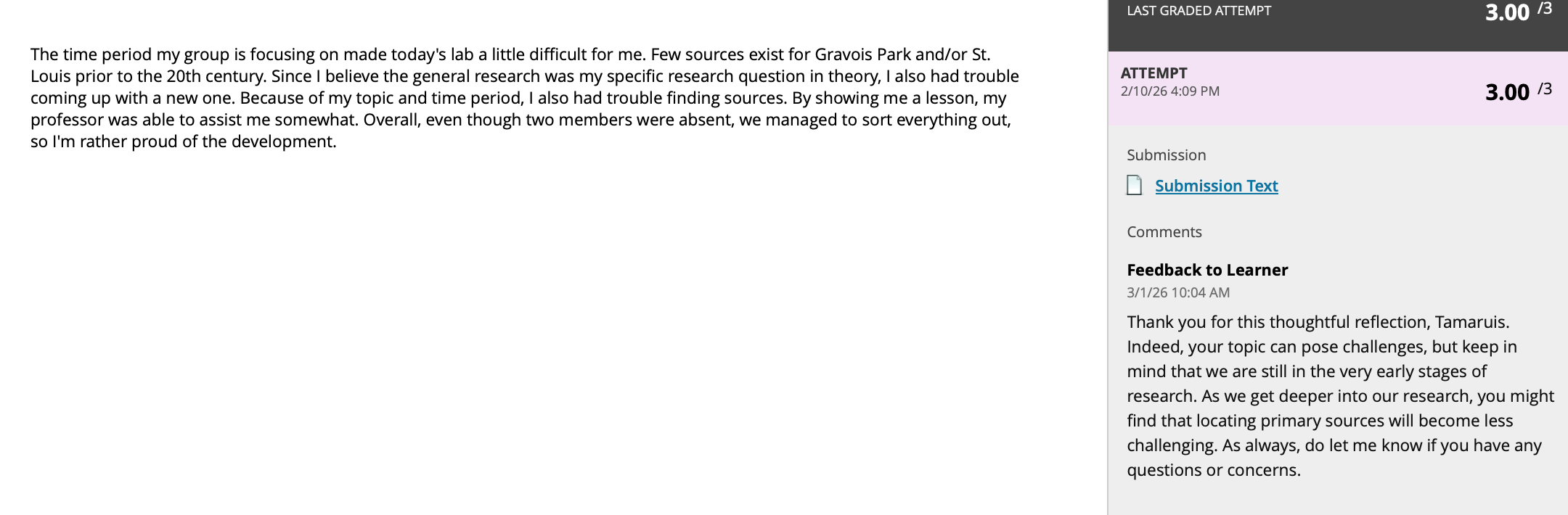
I will develop effective research strategies to find high-quality, credible sources that inform and strengthen our project. This includes identifying gaps in existing knowledge, selecting appropriate scholarly and community-based information, and critically evaluating sources for reliability and relevance. My goal is to ensure that every source I use contributes meaningfully to our understanding of the problem and the development of solutions.
| What will you do to learn the content/ develop the skill? | What examples will you add to the portfolio to demonstrate your learning? | What characteristics of the chosen examples demonstrate you have met your goal? |
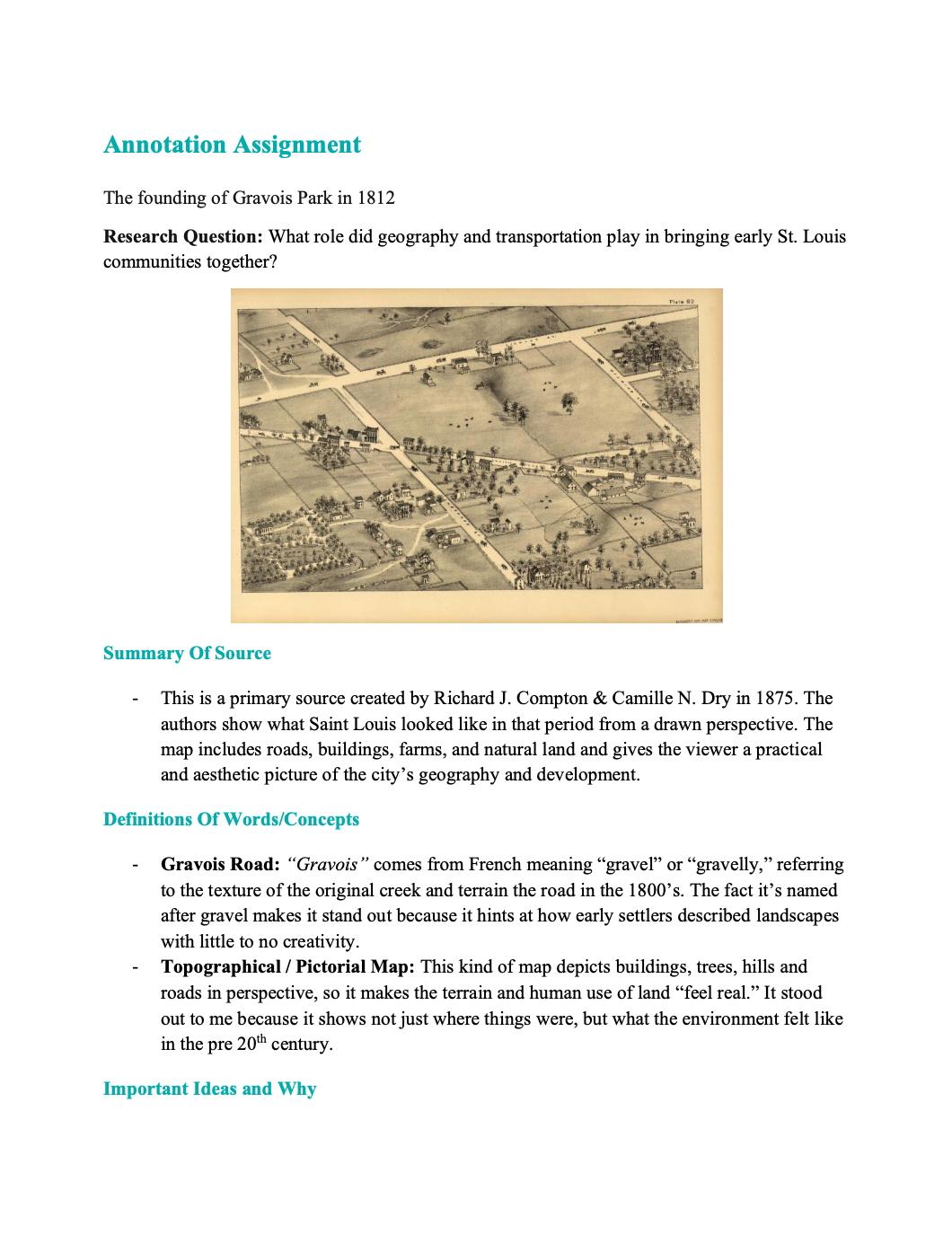
| I will gather and evaluate credible sources and data to support our research questions and strengthen our project. | I will include: – Annotated source assignment – Annotated bibliography of scholarly articles and community sources – Notes on source credibility, relevance, and limitations – Research plan showing selection of sources for specific research questions – Reflections on how chosen sources informed project decisions | These examples show that I can identify, analyze, and integrate high-quality information to support well-reasoned and meaningful research. |
Goal 7a (20%)
Skills for Lifelong Learning
I will approach problem-solving with patience, curiosity, and a willingness to look beyond the first answer that comes to mind. Instead of rushing to a solution, I want to step back, evaluate the situation from different angles, and understand what’s really going on beneath the surface. My goal is to stay open-minded, ask better questions, and be flexible enough to adjust when things don’t go as planned. I’ll stay thoughtful and intentional, but also confident in calling out issues and finding solutions that are fair, efficient, and grounded in what the moment actually needs.
| What will you do to learn the content/ develop the skill? | What examples will you add to the portfolio to demonstrate your learning? | What characteristics of the chosen examples demonstrate you have met your goal? |
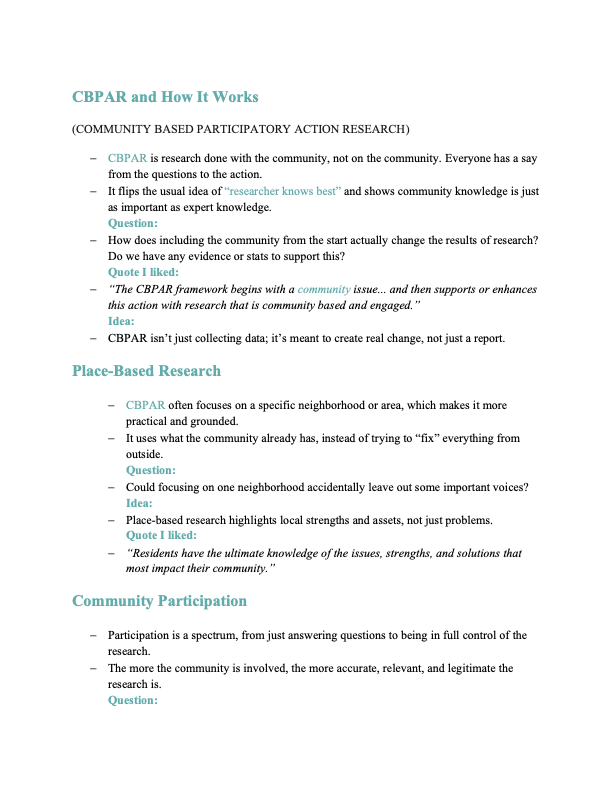
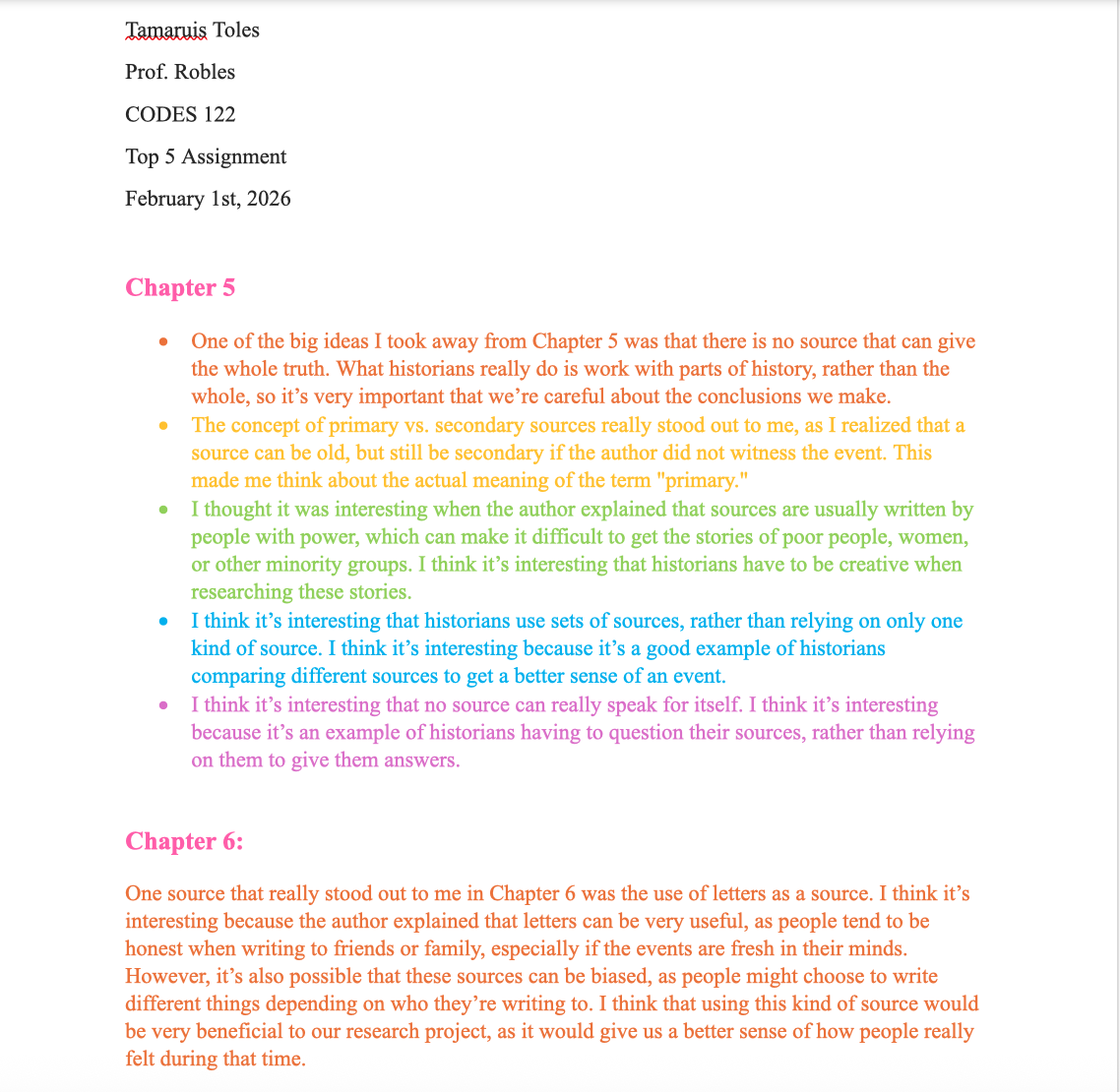
| I will explore research topics in depth, beyond assigned readings, to develop a richer understanding of the issue and improve my contributions to the project. | I will include: – Top 5 for a short guide to community-based participatory research – Summaries connecting extra research to project questions – Reflection entries showing how new knowledge changed my perspective – Annotated outlines showing integration of new information into project design | These examples demonstrate that I actively seek knowledge, reflect on what I learn, and apply it thoughtfully to strengthen both my research and personal growth. |
Goal 9c (20%)
Problem-Solving Skills
I will address conflicts and communication challenges within my research team by listening actively, identifying the root of disagreements, and working collaboratively to find solutions. I want to create a team environment where everyone feels heard, responsibilities are clear, and tensions are resolved respectfully. My goal is to use communication as a tool to solve problems constructively, maintain group cohesion, and keep the research process moving forward effectively.
| What will you do to learn the content/ develop the skill? | What examples will you add to the portfolio to demonstrate your learning? | What characteristics of the chosen examples demonstrate you have met your goal? |
| I will address team conflicts and communication challenges by listening actively, facilitating discussion, and collaboratively finding solutions. | I will include: – Meeting notes documenting conflict resolution discussions – Reflection entries on communication strategies used during disagreements – Peer or self-assessments showing improvement in team collaboration – Adjusted project plans or task assignments resulting from resolved conflicts | These examples show that I can navigate and solve team communication challenges effectively, ensuring the group functions cohesively and productively. |