What Is Asthma?
Asthma is a chronic disease that affects the lungs and makes it harder for people to breathe. It is especially common among children and can cause wheezing, shortness of breath, chest tightness, and coughing during the night or early morning. It affects as many as 334 million people worldwide. Around 14% of the world’s children experience asthma symptoms from ages 10- 14 years of age. ( Fawcett et al. 2019).Although asthma can be managed with medication, many people continue to experience symptoms because of things in their everyday environment. Asthma is not just an individual’s problem. It affects families, schools, healthcare providers, and the communities where people live. In St. Louis County, programs such as Know Asthma STL work to educate families about asthma and help them understand how to control it. Our group believes that reducing asthma problems requires everyone in the community to work together. This connects to the ideas in Our Common Ground because the places where people live, work, and go to school can have a major impact on their health.

How to control Asthma and Triggers
Asthma can be controlled, but it is important to understand what causes someone’s symptoms to get worse. Some common asthma triggers are allergens, air pollution, dust, smoke, and weather. Allergens like pet hair, dust, mold, and pollen can make it harder for someone with asthma to breathe. Air pollution from gas vehicles and other gas releasing objects can also affect the air people breathe every day. Triggers can be found inside and outside of a patient’s house. Families can help control asthma, to an extent, by keeping living spaces clean, avoiding smoking, and limiting exposure to the triggers that cause symptoms. On the other hand, not every family has the same ability to control their environment. Some families might live in older houses or buildings where mold and poor air quality are difficult to prevent (St. Louis County, N.D).
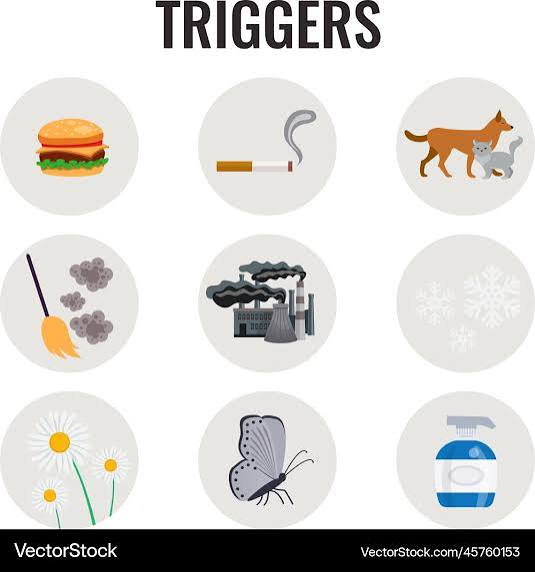
According to Patti et al., 2024, unhealthy living conditions and school environments can increase asthma symptoms in children, especially in lower-income areas. This matters for the WECARE clinic because children’s health should not be at risk because of their living conditions or their school. The researchers explain that problems like secondhand smoke, allergens, mold, and bad ventilation can add to asthma problems. This shows that asthma control requires more than just giving someone medicine. It also takes improving the environments where a child spends most of their time.
Asthma’s Effect on School
One of the biggest effects of asthma is how it impacts children’s ability to attend school and participate in everyday activities. According to the St. Louis County Department of Public Health, asthma is the leading cause of missed school due to a chronic childhood condition, with up to 13 million school days missed each year in the United States. Studies have shown that asthma has been the decrease in school when it comes to children thriving academically. They lack the full capacity and put children at risk to function and perform well to their full potential due to asthma and respiratory issues. (Moonie PHD eatl 2008). This matters for WE CARE because children should be able to attend school and participate in activities without constantly worrying about their breathing. When children miss school, they can fall behind in their classes, miss time with friends, and lose opportunities to participate in sports and other activities. Teachers and school staff are important stakeholders because they need to understand asthma symptoms and know how to respond when a student has trouble breathing. Schools can also help by keeping classrooms clean, reducing dust, and making sure students have access to their medication when needed.

The Role of Stakeholders
There are many stakeholders involved in helping people manage their asthma. Children and families are affected everyday and try their best to avoid triggers. Doctors can help patients understand their condition, provide medicine, and give the patients ways to prevent asthma attacks. Schools and teachers are also important, because children spend a good amount of time on school property. Homeowners and landlords are stakeholders because they are responsible for keeping homes safe and clean. They also can fix the problems such as leaks, mold, and pests as quickly as possible. Local government and community organizations, like the WeCARE Clinic, can provide education and resources to families who need help (Patti et al., 2024). The St. Louis County Healthy Homes Program is an example of how people in communities can affect people with asthma. The program provides education about asthma and in-home visits to help identify triggers. These services can help families understand what changes they can make to have a healthier and safer living environment (St. Louis County, N.D). Healthcare providers can also communicate with landlords when housing problems are making asthma symptoms worse. When these stakeholders communicate and work together, they can help more families and children rather than working by themselves.

Teamwork to Improve Awareness
Asthma affects more than just the person who has it. It also affects families, schools, healthcare providers, and the communities around them. Although medication is important, controlling asthma also requires reducing environmental triggers and improving the places where people live and spend their time. Asthma is also about finding out what it takes exactly to help the person with asthma and the support system of that person lives better and less stressful. The information from the St. Louis County Department of Public Health and the research by Patti et al. shows why education, healthier homes, and better school environments matter. Community programs, healthcare providers, families, and schools all have a role in making these improvements possible. By working together, stakeholders can help reduce asthma triggers, prevent missed school days, and improve the quality of life for children and families. Creating a healthier community is something everyone can contribute to, and it starts with understanding that asthma is a shared community issue.

Sources
https://stlouiscountymo.gov/st-louis-county-departments/public-health/environmental-services/healthy-homes/know-asthma-stl/
According to the St. Louis County, N.D., asthma is the most common chronic disease in children and can cause breathing problems, coughing, and missed school days. This matters for the WECARE Clinic because children should have access to healthy environments where they can learn and participate in everyday activities without their asthma holding them back.
https://pmc.ncbi.nlm.nih.gov/articles/PMC11638549/
According to Patti et al. (2024), unhealthy housing conditions and school environments, including mold, pests, poor ventilation, and indoor air pollution, can make asthma symptoms worse in children. This matters for the WECARE Clinic because families, schools, landlords, and healthcare providers need to work together to reduce asthma triggers and create healthier environments for children.
Fawcett, R., Porritt, K., Stern, C., & Carson-Chahhoud, K. (2019). Experiences of parents and carers in managing asthma in children: a qualitative systematic review. JBI Database of Systematic Reviews and Implementation Reports, 17(5), 793–984.