Intro – (Morgan)
Asthma is an important community health issue because it can affect a person’s ability to breathe and participate in everyday activities. Preventing asthma before it begins involves understanding the different factors that may contribute to respiratory problems, including environmental conditions in people’s homes. Some examples include moisture, mold, pests, secondhand smoke, and air pollution. These conditions can create additional health concerns, especially for children and families who may not have the resources to address them. The Illinois Department of Public Health provides information about asthma and its impact on public health throughout the state. Looking at this issue from a community perspective helps us understand that asthma prevention is not only about individual health choices but also about access to healthy living environments and community resources. In this section, we explain how housing and financial barriers can contribute to repeating problems and how these problems can create a reinforcing feedback loop.
Heading 1 – problem that repeats (Morgan)
One problem that can continue in the asthma prevention system is that families may struggle to fix moisture and mold problems in their homes. These problems can happen because of leaking pipes, water damage, poor ventilation, or other housing conditions. However, identifying a problem does not always mean a family has the money or resources to fix it. Some families may have difficulty paying for repairs, finding reliable assistance, or getting their landlord to address housing concerns. As a result, moisture and mold problems may remain unresolved.

This matters because indoor environmental conditions can affect respiratory health. According to Kercsmar et al. (2006), researchers studied home remediation efforts that targeted moisture sources in the homes of children with asthma. Their research examined whether addressing these housing conditions could improve asthma-related health outcomes. This shows why home environments should be considered when discussing asthma and community health. Although the study focused on children who already had asthma, it helps demonstrate the importance of addressing environmental conditions that may worsen respiratory health. When families cannot access the support needed to improve their homes, the same housing problems may continue affecting their health.
Heading 2 – how it comes back around (Morgan)
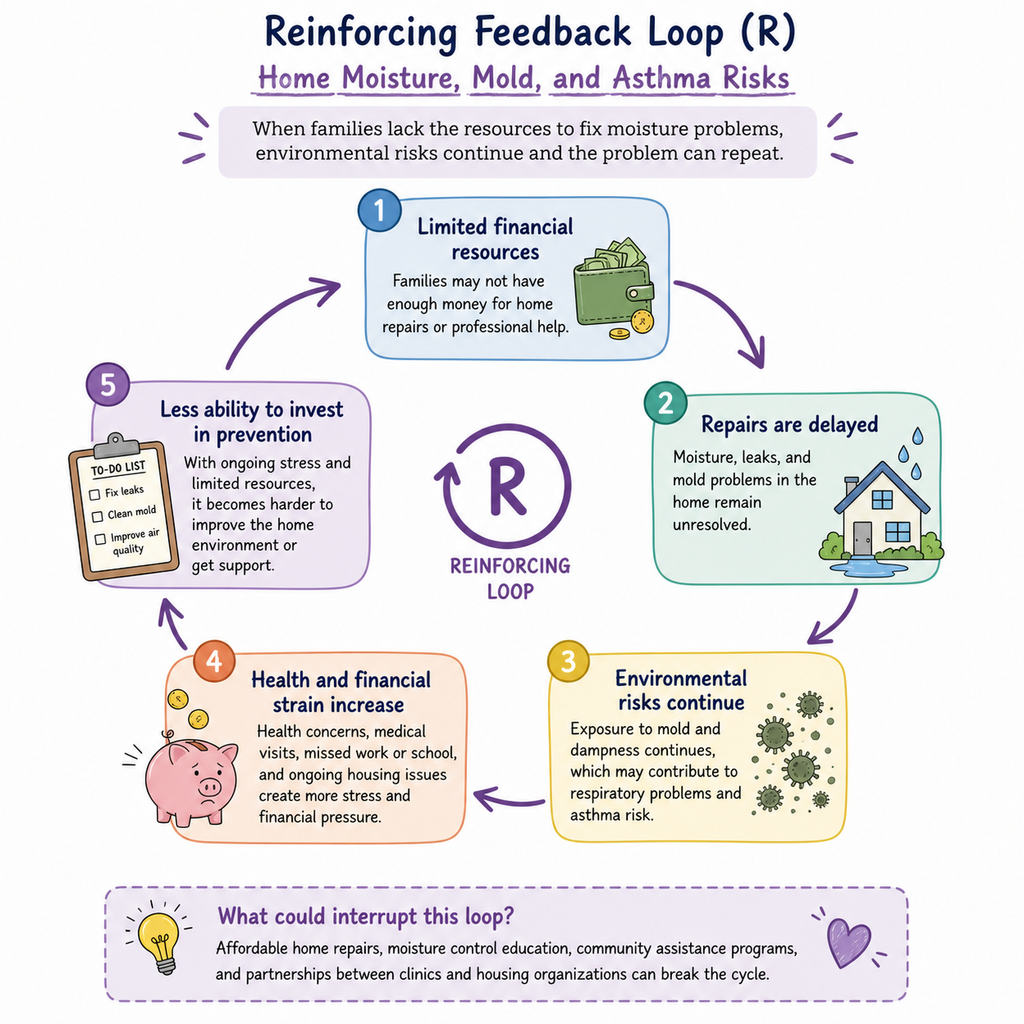
This problem can become a reinforcing feedback loop because one challenge can contribute to another, allowing the original problem to continue. For example, when a family does not have enough money to repair a moisture problem, the repairs may be delayed. When repairs are delayed, mold and dampness may remain in the home, leaving environmental risks unaddressed. These conditions may contribute to respiratory health problems and additional medical expenses. The added financial pressure can make it even harder for the family to afford home repairs or seek assistance.
This creates a cycle in which limited financial resources contribute to unresolved housing problems, and those problems may create additional health and financial challenges. The cycle can eventually return to the original issue: families still do not have enough resources to improve their living conditions. This is an example of a reinforcing loop because the problem can continue and become more difficult to address over time. Our feedback loop diagram illustrates how these issues connect. Understanding this cycle is important because it shows that asthma-related health concerns cannot always be addressed through healthcare alone. Housing conditions, financial resources, and access to community support also matter.
Heading 3 – what could break the cycle (Miyah)
There are several ways the asthma cycle could be interrupted. One important solution is making home repairs more affordable for families who struggle financially. Programs that help pay for fixing leaks, removing mold, and improving ventilation could make a big difference. Landlords should also take responsibility for fixing housing problems so families are not left living in unhealthy conditions. When families have access to the right resources and support, they have a better chance of improving their home environments and reducing respiratory risks.
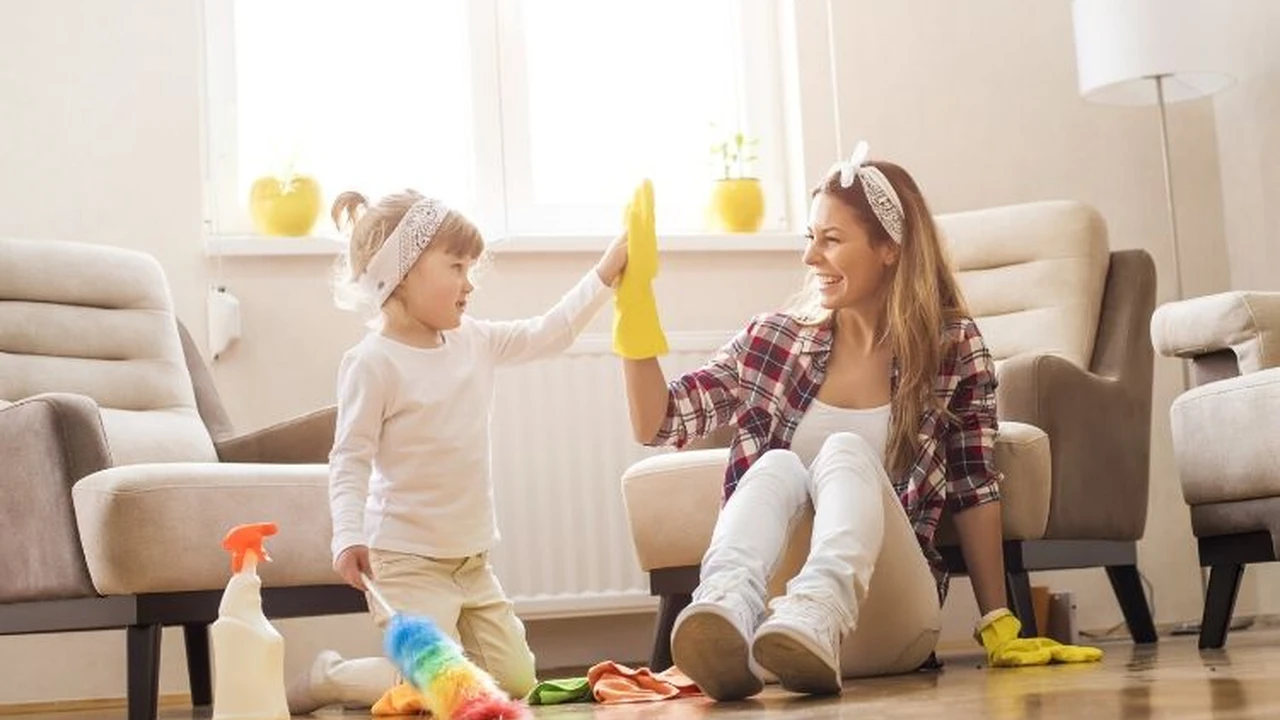
Another way to break the cycle is through community education and support. Families should have access to information about preventing moisture, recognizing mold, and keeping their homes safe. Healthcare providers, housing organizations, and community programs could work together to help families with affordable repairs and health resources, the problems can be addressed before they continue affecting their health and finances. These changes can help stop the reinforcing loop instead of allowing the same problems to keep happening.
Conclusion – (Miyah)
Overall, asthma prevention is not just about treating breathing problems or making individual health choices. It also involves understanding how housing conditions, financial struggles, and access to community resources affect people’s health. As we discussed, families who cannot afford home repairs may continue dealing with moisture and mold, which can increase respiratory risks. These problems can lead to additional health concerns and financial stress, making it even harder for families to improve their living conditions.
Understanding reinforcing feedback loops helps show how one problem can lead to another and eventually bring families back to the same struggles. However, providing affordable home repairs, community education, and better access to support can help interrupt this cycle. By working together as a community, we can help create healthier living environments, prevent asthma related problems, and improve the quality of life for families.

References
Illinois Department of Public Health. (n.d.). Asthma. https://dph.illinois.gov/topics-services/diseases-and-conditions/asthma.html
Kercsmar, C. M., Dearborn, D. G., Schluchter, M., et al. (2006). Reduction in asthma morbidity in children as a result of home remediation aimed at moisture sources. Environmental Health Perspectives, 114(2), 157–164. https://doi.org/10.1289/ehp.8742