Month: May 2026 (Page 3 of 3)

Water Filtration

Teaching kids about water filtration isn’t just about science, it’s about helping them understand something they rely on every day.

First, it builds awareness. Kids learn that water isn’t automatically clean and that it can contain things that affect not only their health, but also the health of people around them. This helps them better understand where their water comes from and why it needs to be treated.

Second, it promotes healthy habits. When kids understand how clean water impacts their bodies, they’re more likely to value safe drinking water and make better choices.

It also encourages critical thinking and problem-solving. Activities like building simple filters or testing water quality let them see how solutions work in real life, not just in theory. Seeing this in a real-world scenario will bring this idea to life and get them to engage hands-on.

Most importantly, it reiterates the importance of water equity. Kids begin to recognize that not everyone has the same access to clean water, which can build empathy and a sense of responsibility to help others. The hope is that we can raise the new generation of students to become advocates in their communities and fight for what is right.

Click here to visit the activity instructions

Click here to visit the activity materials

Click here to visit the activity examples & media
CODES Water Fair

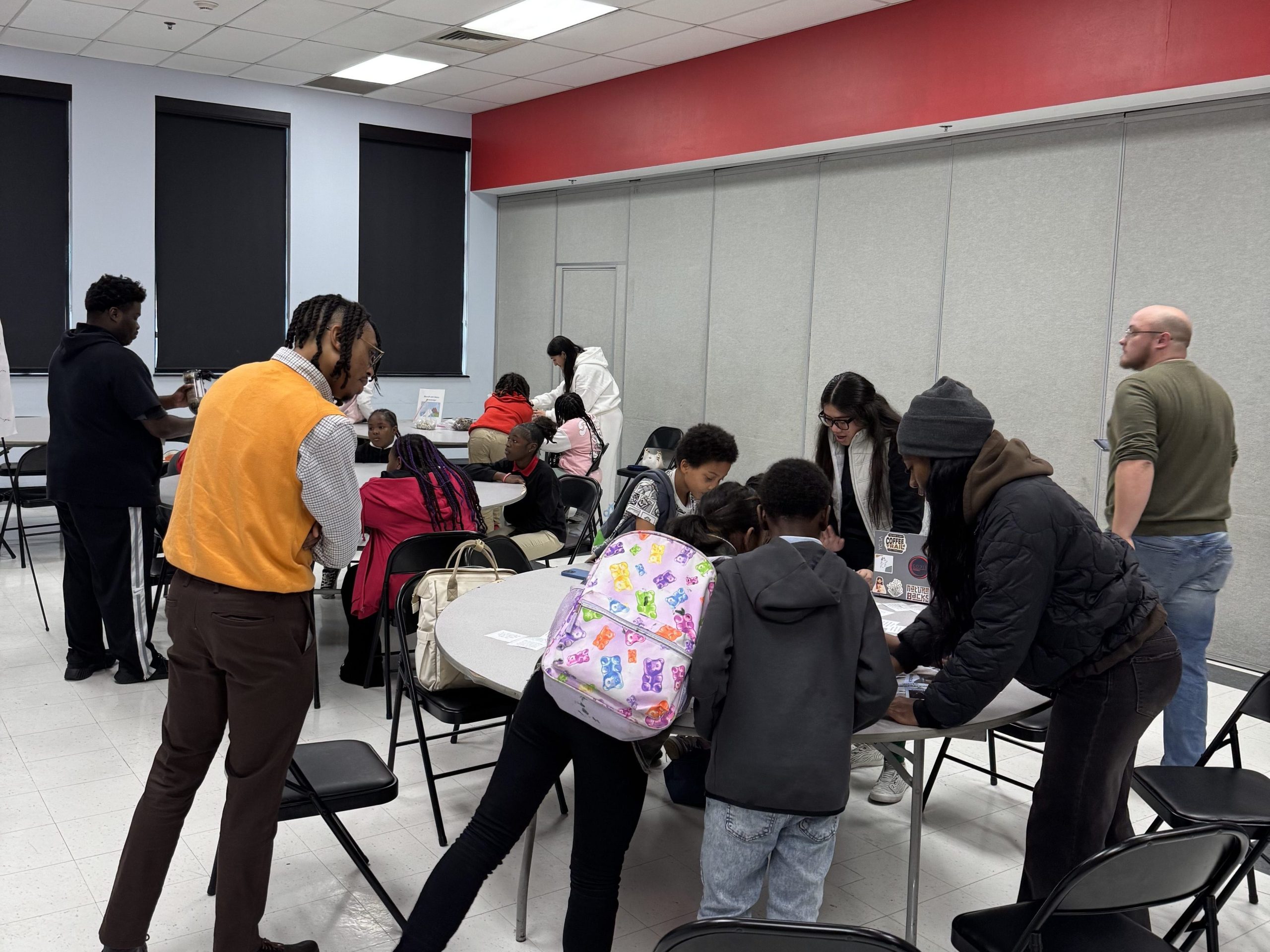
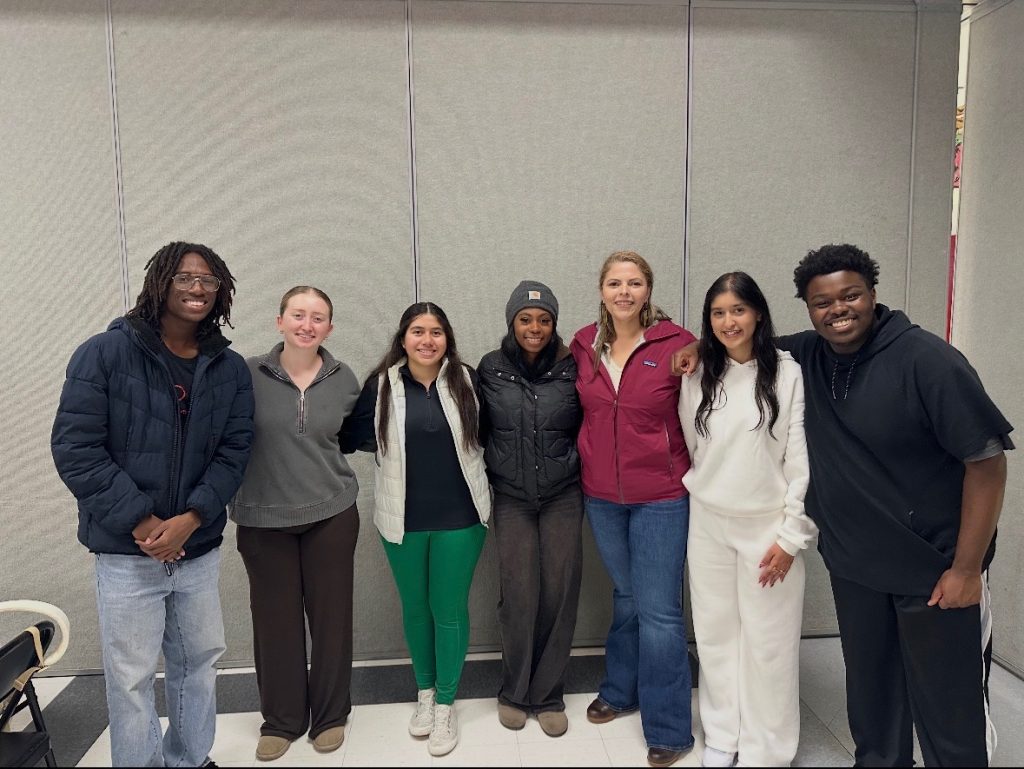
We are six students from the Community-Oriented Digital Engagement Scholars (CODES) at Southern Illinois University Edwardsville (SIUE) working to educate the youth about good water conservation practices in hopes that they implement these same water habits in their home. Looking at the bigger picture, we want to influence this new generation to be knowledgeable about water and combat climate change. We have orchestrated our own water fair at Jackie Joyner-Kersee Academy (JJK Academy) with students aged 8-10. We had 4 stations that focused on water conservation vocabulary, soil, water runoff, and water filtration. By participating in water fairs, children are exposed to water conservation exercises and will want to take pride in conserving their Earth. 

This is important to the St. Louis area because it is located on a flood plain. Not only is this area on a flood plain, it also has a heavily industrial background. The pipes that are underground are deteriorating over time and are not sustainable during heavy rains. Areas in Illinois like Cahokia Heights (formerly Cahokia, Centreville, and Alorton) and East St. Louis face sewage flooding into their yards.

We have interviewed local educators and organizations, surveyed nearly 200 educators regarding their part in water conservation education, and learned from SIUE’s own STEM Center faculty about what it takes to develop lesson plans. These methods were crucial in tackling our wicked problem because we were able to soak in all this information and seek a game plan. We decided to tackle after school programming which, we learned, has less regulations. Read further to learn about the steps we took to, ultimately, orchestrate our very own water fair!

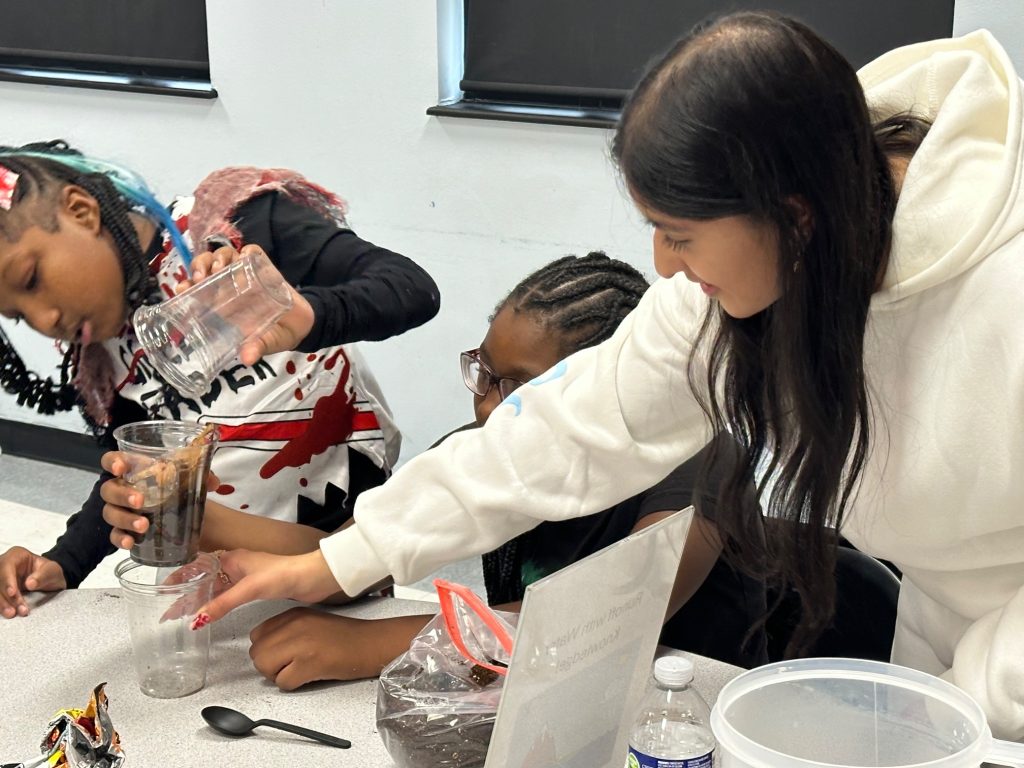
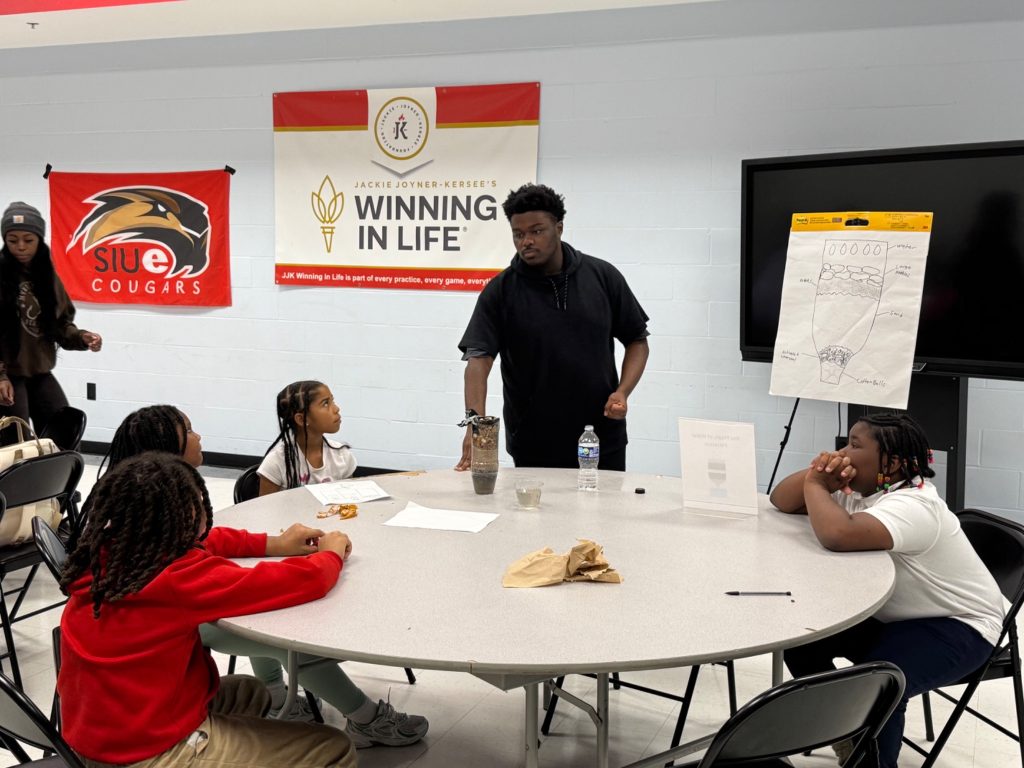
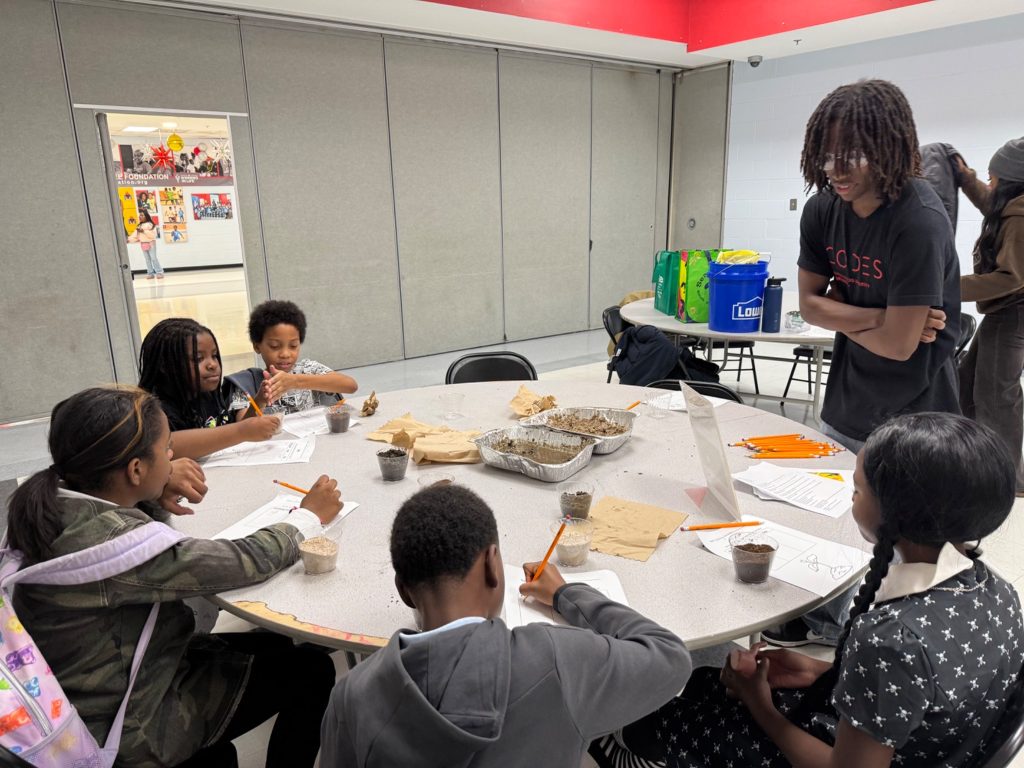
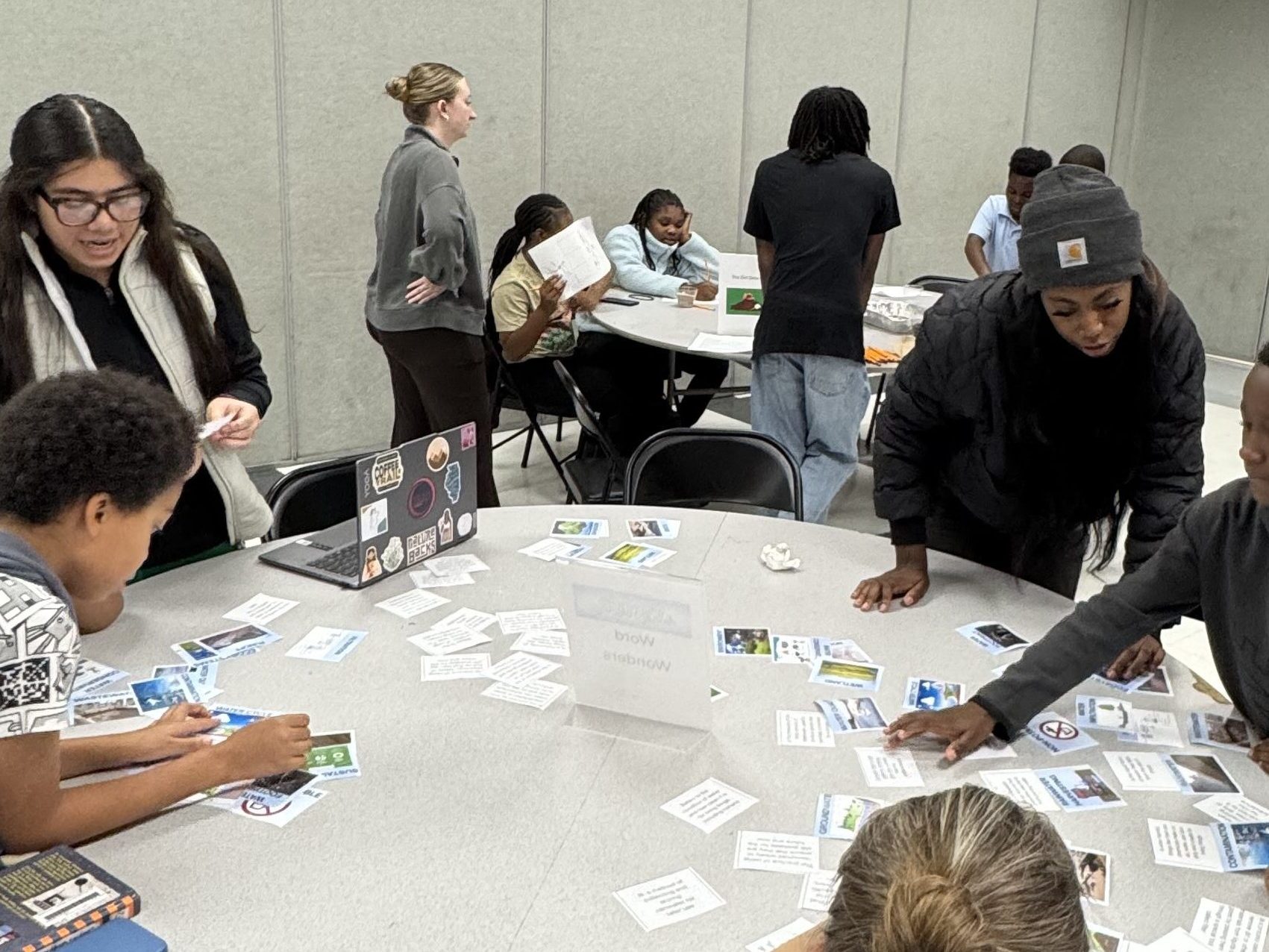
After a year of researching and brainstorming, we decided to host a water fair at the Jackie Joyner-Kersee Academy in October 2025. There were 4 stations, each outlined and facilitated by one of us CODE Scholars: “The Magic of Water Filtration” by Justin Richerson, “The Dirt Detective” by Marques Rutlin, “Runoff with Water Knowledge” by Sonia Sheryr, and “Water Word Wonders” by Alexandra Guerrero. These stations were created to engage students hands-on while teaching them about water and good water practices. 

“Water Word Wonders” Alexandra Guerrero and Tamiria Dixon
Kurly Taylor supervising “Water Word Wonders”
“Run Off with Water Knowledge” Sonia Sheryr
“The Magic of Water Filtration” Justin Richerson
“The Dirt Detective” Marques Rutlin
Marques Rutlin, Payton Plummer, Alexandra Guerrero, Tamiria Dixon, Dr. Adriana Martinez, Sonia Sheryr, Justin Richerson

Overview

Welcome! This toolkit was created to help you design and host engaging, educational, and impactful water fairs in your community. Whether you’re a student, educator, or community leader, this guide will give you the tools and inspiration needed to bring water-related issues to life in a way that is interactive, meaningful, and fun.

Water is one of our most essential resources, yet many communities face challenges related to access, quality, conservation, and equity. Water fairs are a powerful way to raise awareness about these issues while encouraging hands-on learning and community connection. This toolkit is designed to simplify the planning process and provide creative ideas that can be adapted to fit your audience, space, and goals.

Inside, you’ll find step-by-step guidance on organizing your event, including planning timelines, activity ideas, educational materials, and strategies for engaging participants of all ages. From interactive vocabulary learning to games and experiments, this toolkit emphasizes experiences that make learning about water both accessible and memorable.

By hosting a water fair, you are not just planning an event, you are contributing to a larger effort to promote awareness, inspire action, and support sustainable water practices. We’re excited to support you in creating an experience that educates, empowers, and brings people together.

As you navigate this toolkit, there are many different tabs. In the menu bar, you can read under “Water Fair Toolkit” in addition to this page for more background as to how this came to be. There is also a place that outlines how to construct and organize a water fair titled “Organization & Planning”. As you hover over “Overview” you will see each category pop up. Click on each category to read about its construction and why this topic is relevant. As you hover over each topic, there are three tabs that appear: Instructions, Materials, and Examples & Media. These pages are unique to each topic, so be sure that you are under the respective topic. Under “Instructions” you will find a detailed “How-to” for each activity. Under “Materials” you will find all required materials and resources for each activity. Finally, under the “Examples & Media” tab you will find real pictures and videos that demonstrate each activity. There are links at the end of each page that prompt you to the next step if you get stuck!

I hope this toolkit is helpful to you when constructing your very own water fair 🙂

If you run into any errors or have questions, reach out to Payton: paplumm@siue.edu

Click to learn more about

Water Equity

Water Conservation

Water Filtration

Flooding

Community

Newer posts »

© 2026 Payton Plummer

Theme by Anders NorenUp ↑