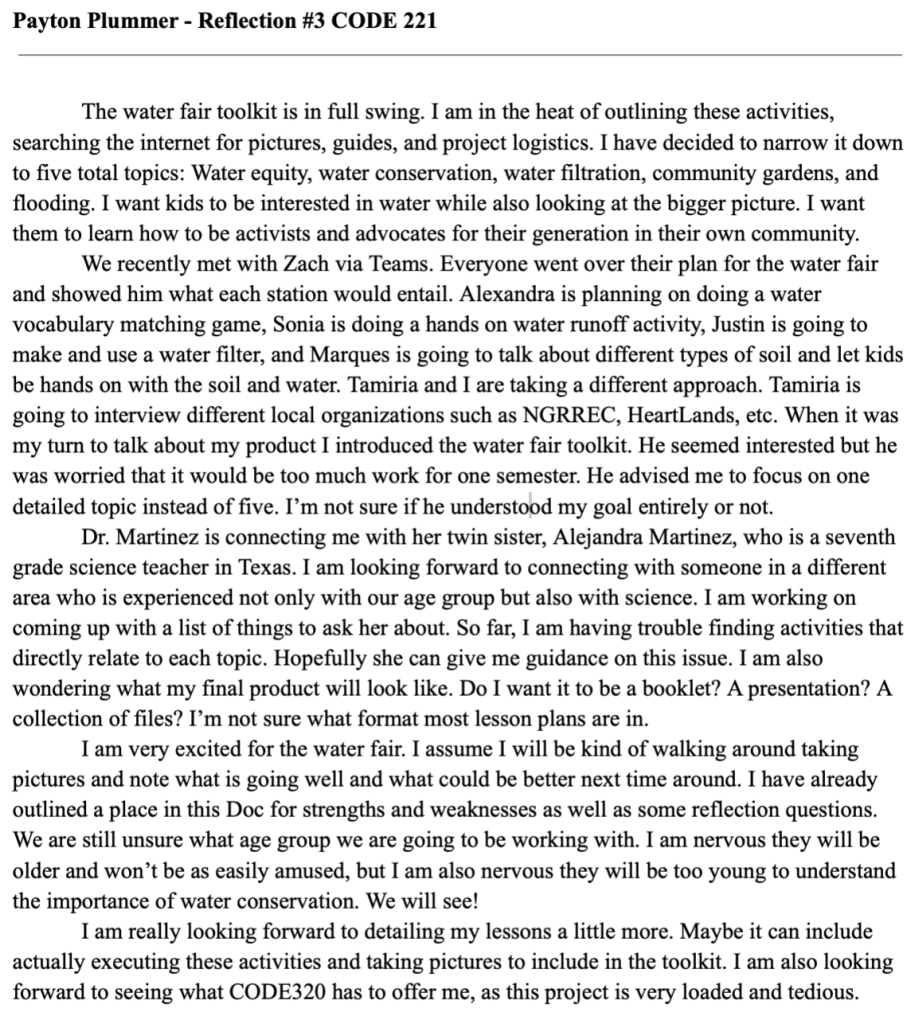
Our ultimate goal is to implement more water infrastructure education for the youth, influencing a new generation to become further aware of issues regarding all-around water infrastructure in the future—complex systems are composed of many interconnected parts. Simple systems are systems in which components interact with each other to serve a purpose but aren’t connected in a way like complex systems. Understanding water equity amongst youth is essential because “although we can certainly do our part to conserve this valuable resource, today’s youth will ultimately be responsible for sustaining Earth’s future water supply” (KEYE).
When it comes to water infrastructure, constructing awareness about the importance of conserving water is vital especially for the youth. Eventually, we will put the importance of water infrastructure in the hands of a new generation. Therefore, we must teach them the reasons behind water conservation and practical usage. Water infrastructure is complex; if one factor changes even the slightest bit, the rest of the system can easily be thrown off. This is why we need to aid in introducing water infrastructure to the youth, and this must be done in interactive ways. Interactive activities, keep people engaged and active in the topic of conversation.
Students are among our most significant stakeholders in this project. Allowing the younger generation to be involved not only helps our water but also helps the environment overall. In addition, better water quality leads to improvement in the overall health of the community. Abbas Hassan states, “The youth demographic represents a dynamic force characterized by enthusiasm, energy, and a deep desire to make a difference. Engaging young people in WASH (water, sanitation, and hygiene) initiatives taps into their passion for social change and their ability to challenge conventional thinking”(Hassan). These initiatives are essential for human health, well-being, and development. Another stakeholder is taxpayers; their money funds the school and plays a massive part in its budget. JJK and Heartlands are also stakeholders. In particular, JJK participates in your education at their center, so they are particularly important. Asma Bachikh states, “Stakeholder participation is at the core of effective water and sanitation management. Many countries—83 percent of 94 countries surveyed in 2013-2014—now have stakeholder participation in policies andx/or laws” (Bachikh). This quote shows how much of a role stakeholders, like students and taxpayers, can play in water infrastructure.
Youth education influences water infrastructure, and we need to identify the drivers. According to our book Sustainable World by Sonya Remington-Doucette, human actions have become central drivers of changing a system (page 124). There are two types of drivers: direct and indirect. “Direct drivers, drivers that clearly and unequivocally influence the behavior of a system. Indirect drivers are drivers that influence the behavior of a system more diffusely by altering one or more direct drivers” (page 123). Some drivers in our system of how youth education is influential are the community, government, JJK FAN School, and the education system. For example, in the article “Impact of Youth Education in ASCE Library,” the authors want to let the public know that the youth is underrepresented in discussions regarding the community’s future, even though they are the community’s future (McKoy and Vincent 2007). The communities are an indirect driver as they affect how children interact with the people around them, like their city and counties. Still, it doesn’t directly affect their education on water infrastructure. Other factors related to the same article are cost, benefits, site conditions, and local community factors.
In the article “Water Accessibility, use and Conservation among Youth: A Comparative Study,” by George Morrara Ogendi and Isaac Ongn’oa, the authors inform readers that education on sustainable water should be taught locally and globally (Ogendi and Ongn’oa). This allows students to become pragmatic leaders and stars and learn to appreciate the environment with a deeper understanding. In our case, the JJK FAN school education system is a direct driver as they interact with the youth and can influence their knowledge of the environment and water infrastructure. Also, going back to cost and site conditions, if JJK FAN can’t obtain the funds, it could affect youth education. If they can’t be taught about the environment and water infrastructure, they do not have a chance to expand their language to others.
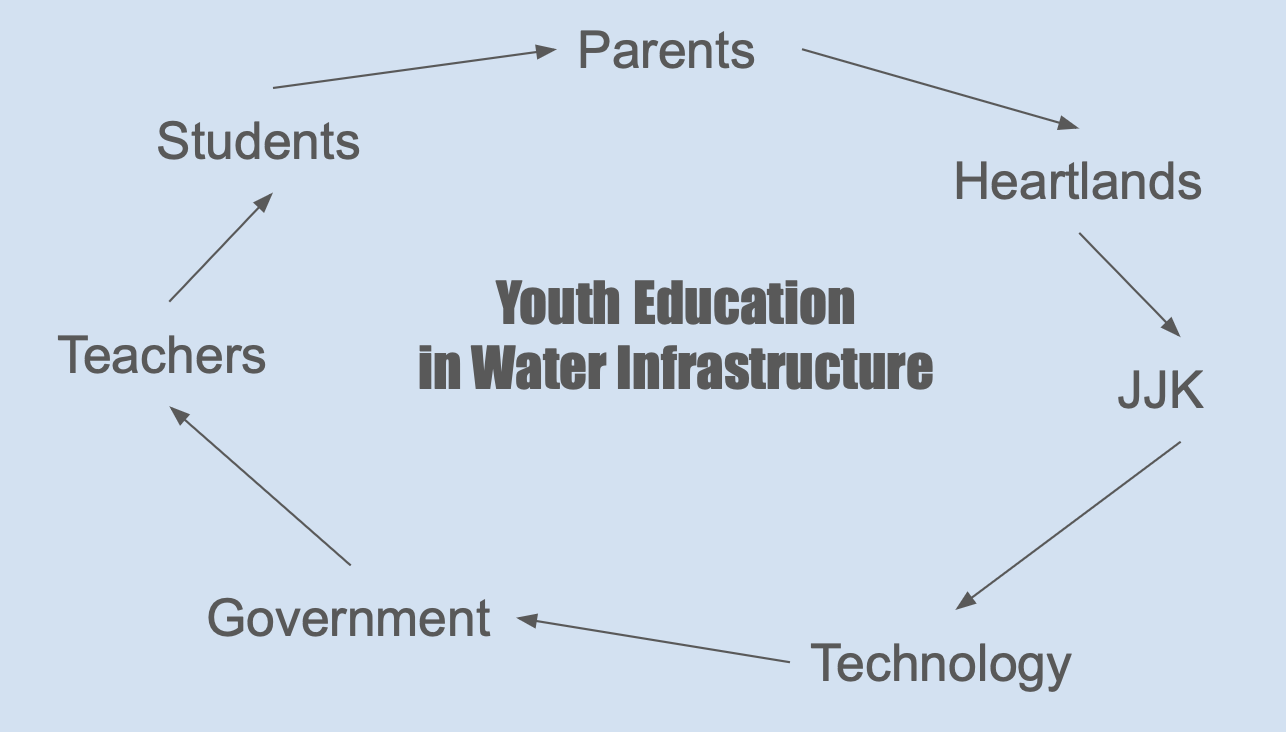
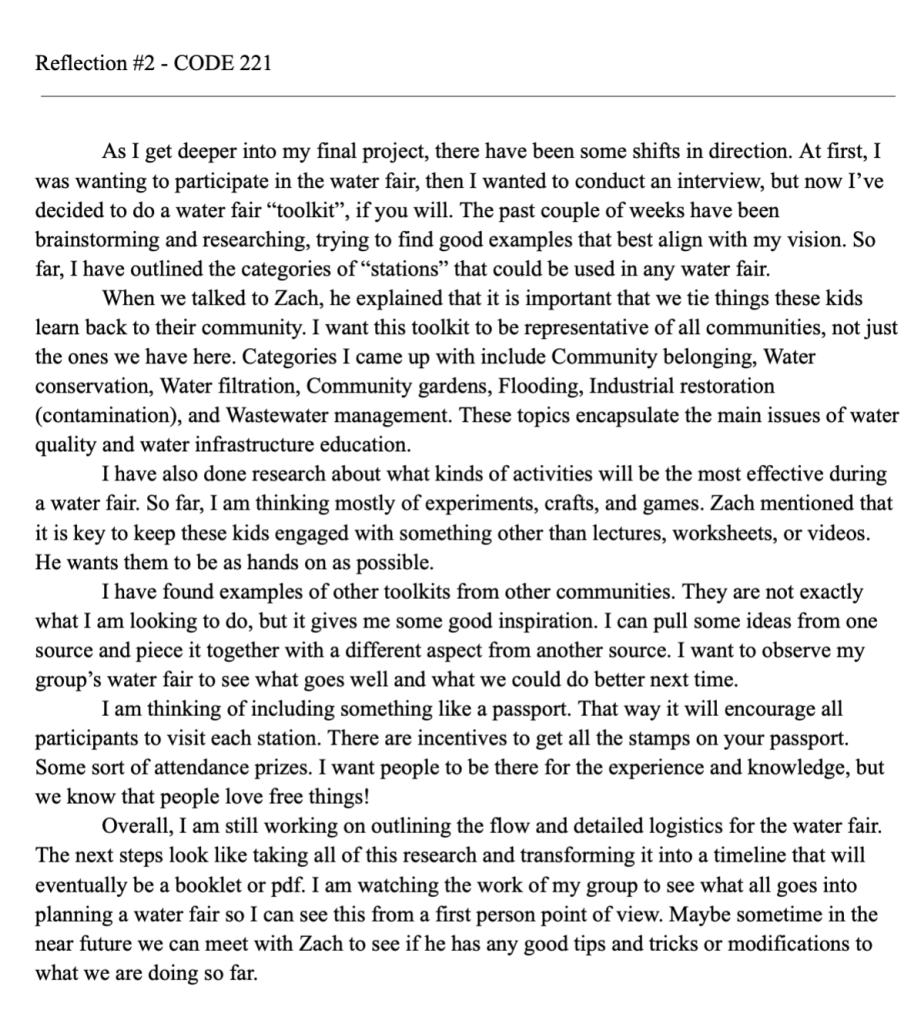
Teachers, students, parents, and the community can come together to improve water infrastructure for the youth. There are various ways to take action since water equity is a complicated issue with many layers. A few examples include extracurricular activities, technology integration, and engaging curriculum. The diagram above shows the connections between the drivers. Each driver plays into the other. For example, JJK and Heartlands can work with the government to produce a curriculum. The teachers teach the curriculum to the students, and eventually, the parents will pick up on what their child is learning.
The big idea is to incorporate these things into one water infrastructure course for the youth. On the website Thought Exchange, there is a piece that references community involvement’s impact on youth education. “Community is all about creating a sense of belonging. Having a sense of belonging means that students feel accepted, valued, and included by their teachers and peers and consider themselves an important part of their academic community. They are motivated to learn and engage with their course, leading to greater attainment, progression, and improved academic achievement” (Daly). Regarding JJK, getting students involved with the community (and vice versa) benefits their learning potential and many other skills.
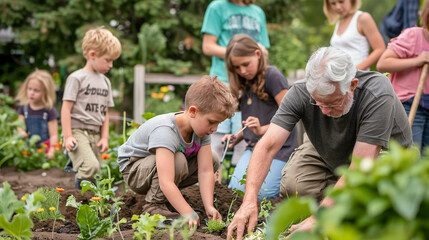
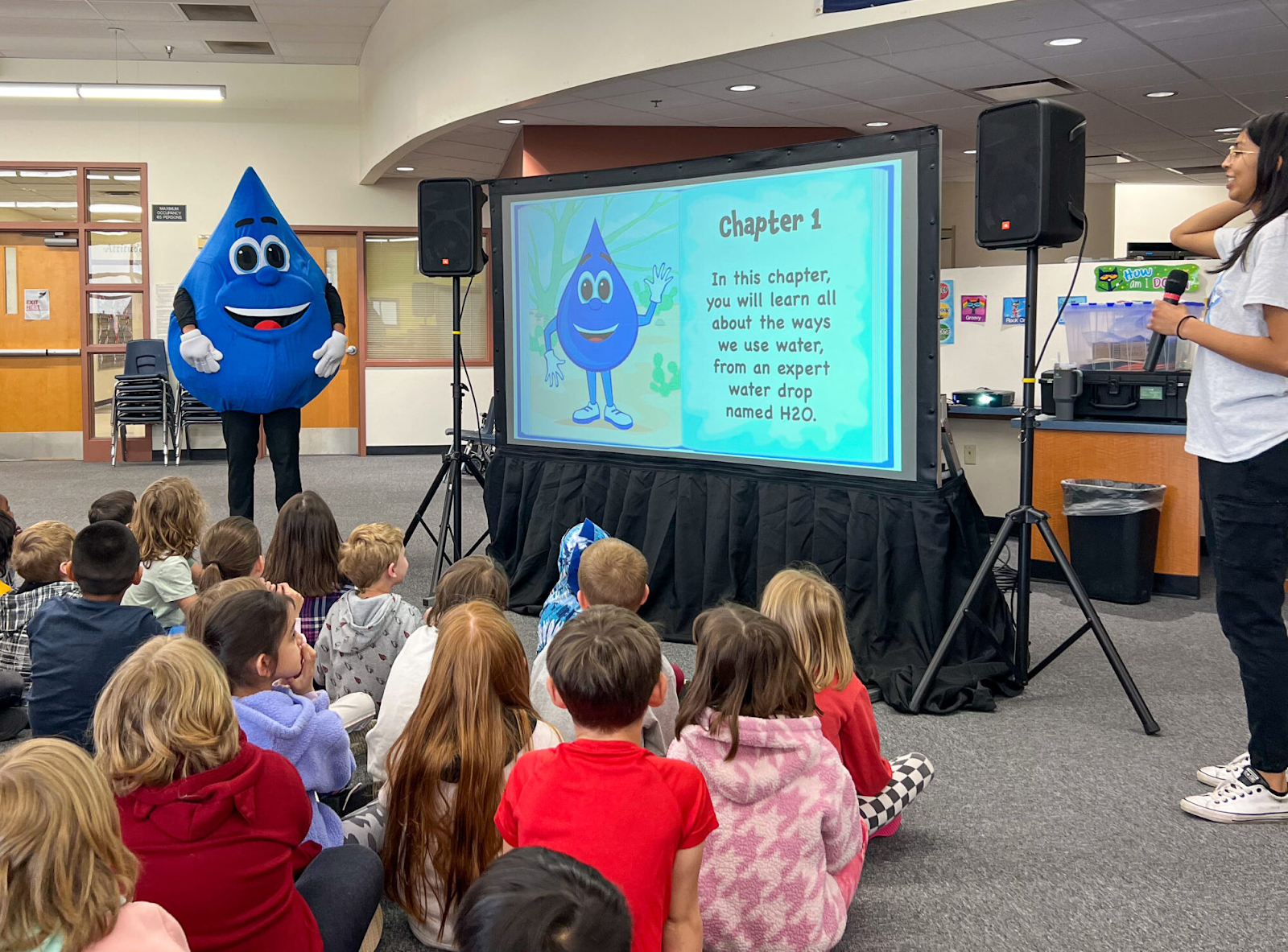
JJK, for example, could start small by creating a gardening club or a science club where they volunteer in the community and test water quality or a research-oriented club where they all come together to combat this wicked problem. Another idea regards technology integration. In this day and age, new technology is popular. Using virtual reality technology, for example, can allow students to see water treatment plants or play games regarding water quality. This will excite kids about using technology while educating them about water technology in their community. JJK has excellent potential to create a great education system focused on water quality. Their new campus will be catered to learning about water and horticulture and will raise a new generation to take pride in our environment. Putting all these together, teachers, parents, and the community can unite to educate everyone about water infrastructure.
Works Cited
Daly, Catherine. “How Community Involvement in Schools Enhances Student Success.” ThoughtExchange, 13 June 2022, https://thoughtexchange.com/blog/community-involvement-in-schools/. Accessed 29 October 2024.
Hassan, Abass. “Empowering Change Agents: Youth Engagement in Wash Initiatives.” LinkedIn, 9 Aug. 2023, www.linkedin.com/pulse/empowering-change-agents-youth-engagement-wash-abass-hassan-#:~:text=Young%20minds%20are%20inherently%20curious,drive%20innovation%20and%20push%20boundaries.
KEYE. “Cultivating sustainability: Why we should educate youth about water usage and conservation.” CBS Austin, 3 June 2024, https://cbsaustin.com/sponsored/spotlight/cultivating-sustainability-why-we-should-educate-youth-about-water-usage-and-conservation. Accessed 29 October 2024.
McKoy, and Vincent. “Impact of Youth Education.” ASCE Library, 2007, https://ascelibrary.org/doi/10.1061/JWRMD5.WRENG-6315#core-c17. Accessed 29 October 2024.
Water Accessibility, use, and conservation among youth: a comparative study.
Chapter 19, Page 221-227 Author George Morrara Ogrndi and Issac Ong’oa
Sustainable World by Sonya Remington- Doucettle 2016
Page124 “Youth and the Integrated Management of Water Resources.” United Nations, United Nations, www.un.org/en/chronicle/article/youth-and-integrated-management-water-resources. Accessed 3 Nov. 2024.
Every little kid loves going on a getaway to their grandparents’ house. Grandparents are fun. They let you eat candy, they take you to the park, and they let you stay up past your bedtime. Going to my grandparents’ house wasn’t relaxing or freeing, but it taught me valuable knowledge that I still use to this day. My grandma taught me how to read, write, and interact with other kids. I was always wanting to watch a baby or be the mom when we played house. I was always doing what was right and it has stuck with me through my school years.
From even before I could remember, I would go to my grandparents’ house during the day while my mom worked her office job in St. Louis. My grandma is the sweetest woman you could imagine. She not only took care of me and my five cousins every day, she also taught us like we were in school. Every day, we had a routine. In the morning, we would garden, followed by lunch and “table time”, where we would get our workbooks out and work on the respective subject for the day.
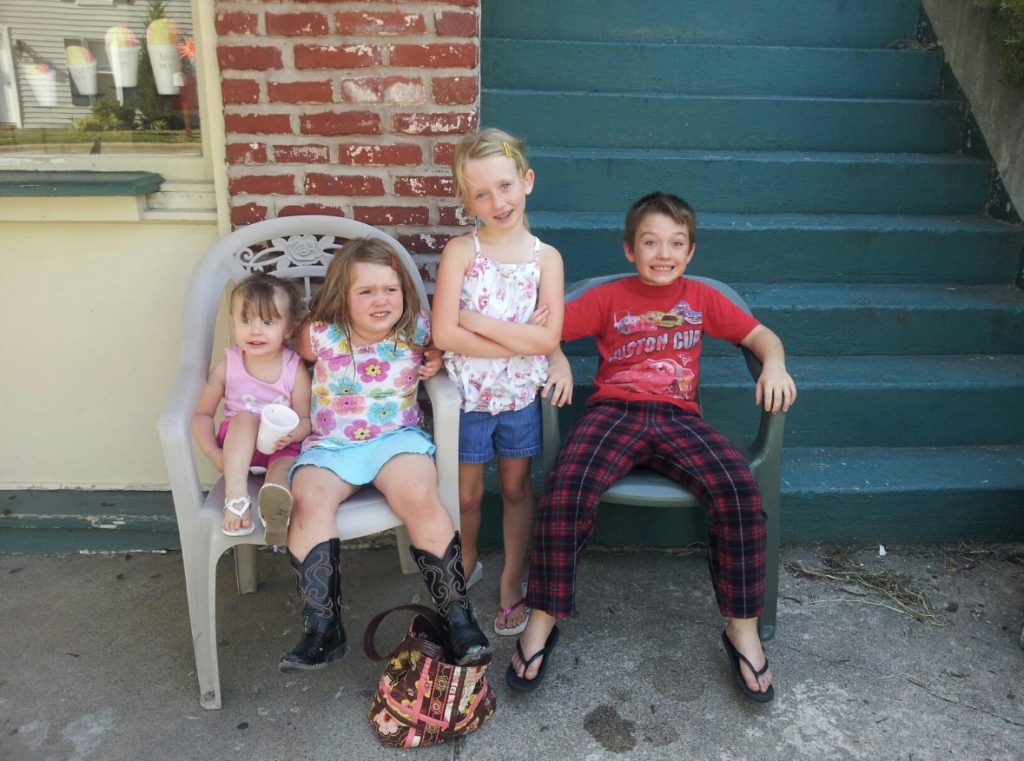
While the youngest cousins were napping, the oldest cousins would be in the basement learning all kinds of things: reading, writing, math and even horticulture. One day, I remember working on a math worksheet. I was flying through this book my grandma was teaching. I pointed out a big number 4 that was in the corner of the worksheet. I was excited because I realized I was 4 and those numbers matched. I told my grandma, and she said, “No, Payton, that means 4th grade.” Not only was I doing 4th grade math before kindergarten, but I would also read books and write sentences. Looking back, I can’t thank my grandma enough for kickstarting my love for school and drive for success.
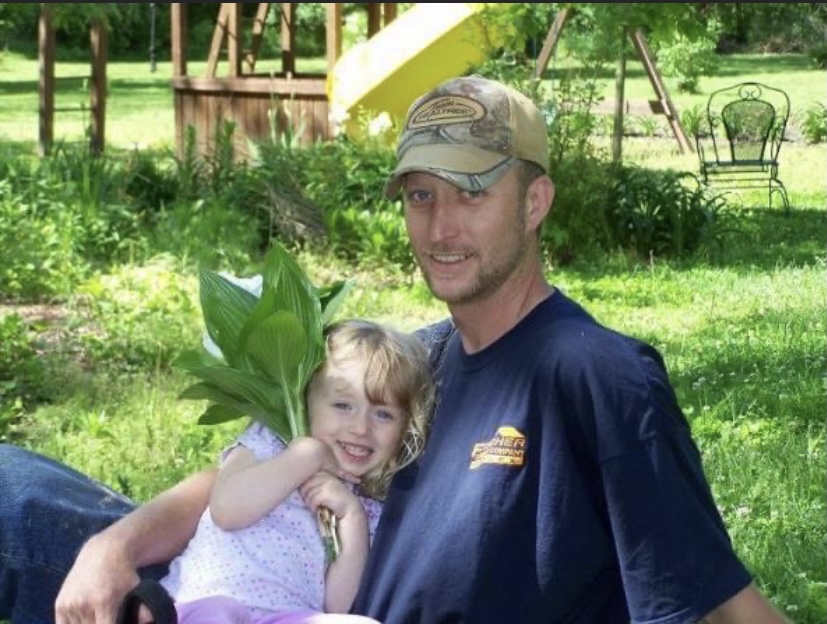
For the first few hours, while I was waiting for my cousins to arrive, I’d spend some one-on-one time with my grandma. She had an elaborate and bountiful garden. There was a gazebo in the middle from which paths of mulch branched out throughout the backyard. There were multiple gardens in between these paths, and each was named after one of the grandkids. When I would have free time with my grandma, we would plant flowers and other plants in my section of the garden. I loved my garden because I had a cherry blossom tree, a hosta taller than me, multi-colored hydrangeas, a bird bath, and a wooden swing. We weren’t just playing in the dirt. We were planting plants, learning how to compost, and working together to make something beautiful.
Us kids were full of imagination. When we were outside, we were anything from power rangers to a family of nomads making “dinner” out of walnuts, plants, and dirt. We picked mulberries and grandma taught us how to make our own jam by hand. When we would play inside, there were tons of toys, but probably not the kind anyone would find interesting besides us grandchildren. Among our favorite toys were cottage cheese cups. My grandma went through so many tubs of cottage cheese, and she started to save the plastic containers it came in. Eventually, we had a massive collection. We would build the most amazing forts, stacked way above our heads. We sectioned the playroom into rooms, with the cottage cheese cups acting as the walls, and folded blankets into little cots. We played house all day every day. I would go up to the chalkboard and write everyone’s imaginary names and ask them how old they wanted to be today. I held the title for the “cool” cousin, the one everyone would look up to. I was always a leader, even if it meant being the mom while playing house.
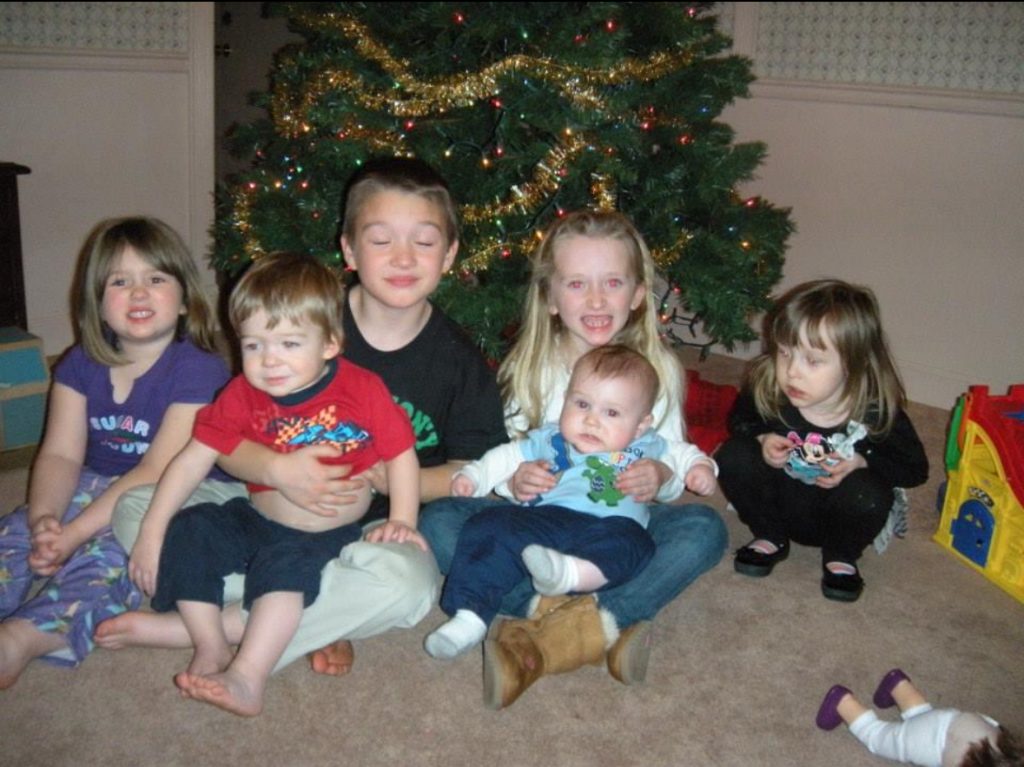
Being the oldest granddaughter did something to alter my sense of self. I was also an only child back at my house, so maybe that had something to do with it, too. The other cousins always looked up to me and expected me to set an example for everyone else, and I did just that. I was always looked at as the responsible grandchild and was trusted to help cook or watch over my little cousins while we were playing on our playground in the backyard. Although over a decade has gone by, I am still the one everyone looks up to. The determination to succeed and fear of failure has never left my mind.
Having such a great role model set the perfect example for who I wanted to become. Today, I use all the skills my grandma taught me from caring for nature to taking on a leadership role with ease. The routine she set for us grandkids was beneficial. I have been bouncing between my mom and dad’s houses ever since I was little, so the structure she provided made me feel secure. I am extremely organized and love to have a routine. I have my weekly planner where I write out all my events for the week and what homework is due. My grandma has taught me so many valuable life lessons that I am so privileged to have.

The transitions from middle to high school and now high school to college have been tough, but I couldn’t imagine what it would be like if I hadn’t had been raised the way I was. I have always been a “Type A” person. I get good grades, do the right thing, tell the truth, etc. When I look into my future, part of me sees myself following that pin straight arrow: I will graduate college, get a job, get married, have kids, retire, die. The other part of me wants to learn how to be a leader but still take risks. I don’t want to live a life everyone else has already lived, I want to make a difference and experience all that I can. I will forever be grateful for having an amazing support system and mentors who always wanted to see me succeed. I don’t know where I would be and who I would be if it weren’t for those days at my grandma’s house.

© 2026 Payton Plummer
Theme by Anders Noren — Up ↑